
Water Damage in a Rental Property: What Tenants and Landlords Should Do First
Water Damage in a Rental Property: What Tenants and Landlords Should Do First
Water damage in a rental property in Greenville adds a second question to an already stressful problem: who does what. The tenant lives with the leak, the landlord owns the building, and both have reasons to act quickly, because water damage gets worse every day it sits. This guide covers the first steps for tenants, the first steps for landlords and property managers, how to document damage properly, who to call first, and the delays that turn a manageable repair into a major one. This is practical guidance, not legal advice: for questions about responsibility, check your lease and talk to your insurer.
The First Rule for Rentals: Tell Someone Right Away
In a rental, the most expensive mistake is waiting. A tenant who notices a stain or a damp patch and plans to mention it at the next inspection gives water days or weeks to soak into floors and walls. A landlord who hears about a leak and plans to deal with it after the weekend gives it the same head start. Water damage rewards speed and punishes delay, no matter who owns the building.
Tenants should report water problems to the landlord or property manager the same day they notice them, by phone and in writing, so there is a record of when the problem was reported. Landlords should acknowledge the report, arrange for the water source to be stopped, and keep the tenant updated on what happens next. That simple loop, report promptly, respond promptly, prevents most rental water disputes before they start.
What Tenants Should Do First
If you find a leak, shut off the nearest valve if you know where it is and can reach it safely: the valve behind the washer, under the sink, or at the toilet. If you cannot find the valve, or the leak is large, call your landlord or property manager right away and ask where the main shut-off is. Do not step into standing water near electrical outlets or appliances.
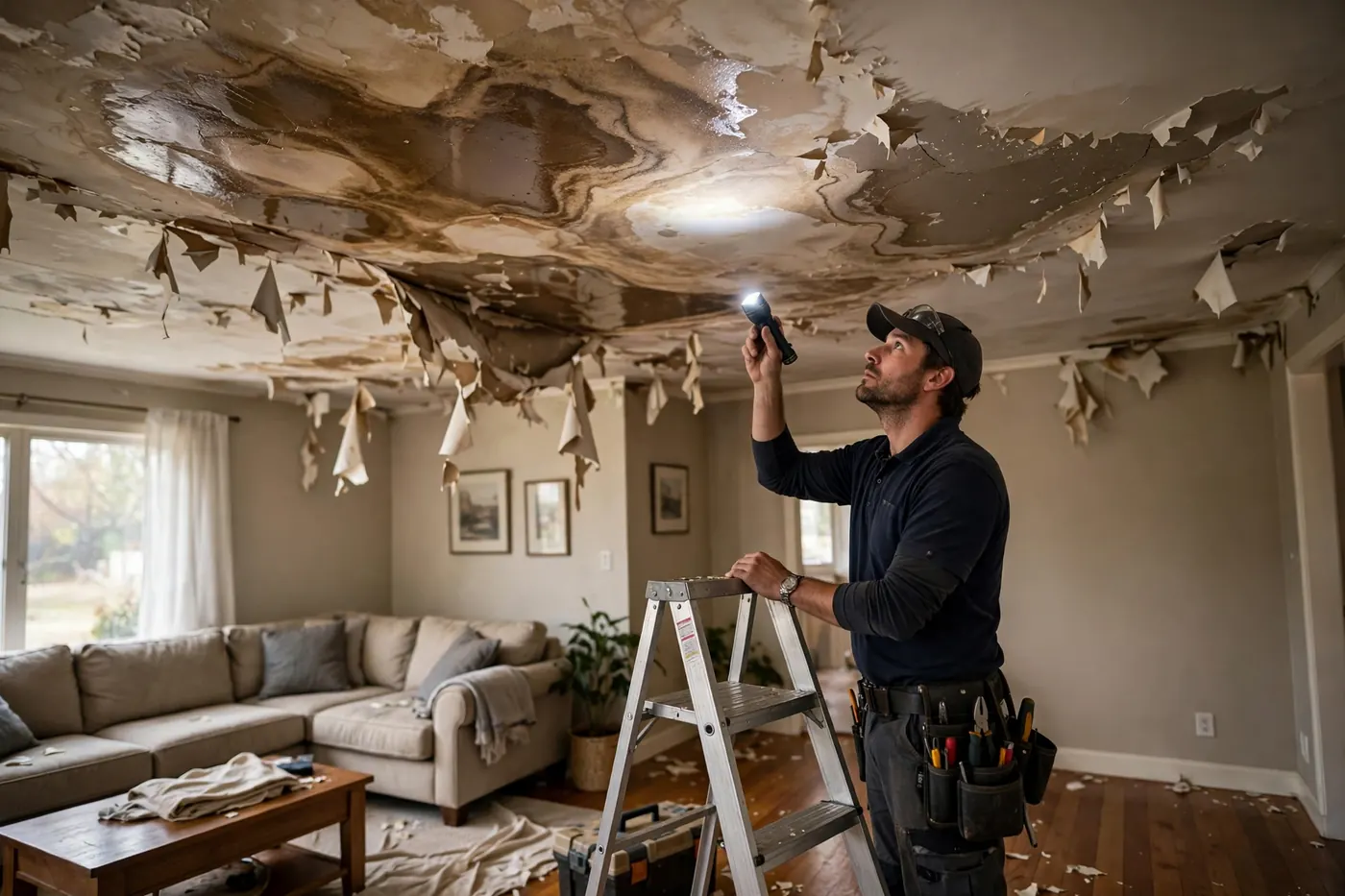
Move your belongings away from the water, soak up what you can with towels, and take photos and video of every affected room, the leak source if you can see it, and any damaged belongings, before anything is moved or thrown away. Those photos protect you later, whatever the cause turns out to be. Do not start tearing out flooring, drywall, or cabinets yourself: unauthorised demolition can complicate both repairs and responsibility, and hidden moisture needs proper mapping before anything is removed.
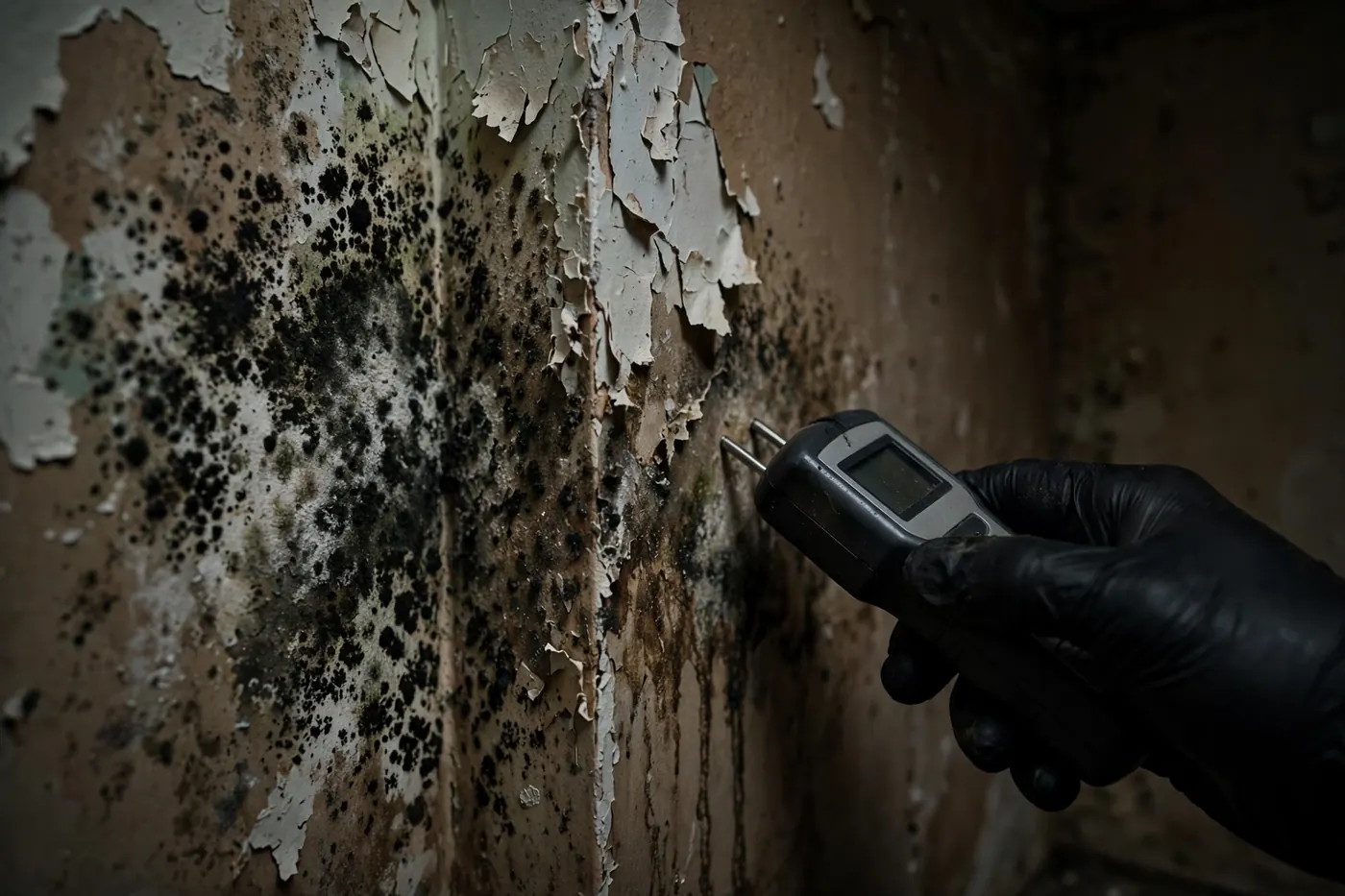
Keep copies of every message with your landlord about the leak, and note the dates. If you need to move out of a room or the property while repairs happen, get that agreement in writing too. Our signs of hidden water damage guide helps you spot problems that are not obvious, like dampness inside walls or under floors.
What Landlords and Property Managers Should Do First
A landlord’s first job is stopping the water and protecting the building. That means arranging shut-off and water removal promptly, then a moisture inspection to map how far the water travelled, including into walls, floors, and units below. Guessing at the extent of the damage is how a small leak becomes a mold problem two months later.
Communication matters as much as the work. Tell the tenant what is happening, what to expect, and when the next step occurs, and keep that communication in writing. Document the damage yourselves as well, with photos and notes, and notify your insurer early, since late notification complicates claims. If the property has multiple units, check the units below and beside the leak too, because water travels through floors and walls in ways that are not obvious from inside one unit.
For the drying itself, our water damage restoration service covers extraction, moisture mapping, and verified drying, and our emergency water removal service handles standing water that needs removing right away.
Documenting Damage the Right Way
Good documentation is simple: photos and video of every room, taken before cleanup changes anything, plus a written list of damaged belongings and building damage, room by room. Photograph the source area, the worst damage, and the path the water took, including ceilings below and walls beside the leak. Save messages, emails, and notes about who was told what and when.
Both sides should keep their own copies. Tenants document their belongings and living conditions; landlords document the building and the repair process. If an insurer gets involved, this record is what turns a dispute about what happened into a straightforward claim. Our homeowners insurance for water damage in South Carolina guide explains what insurers usually ask for and why early documentation matters.
Who Pays? The Short Honest Answer
Responsibility for rental water damage depends on the cause, the lease terms, and the insurance policies involved, so there is no single answer that fits every case. As a general pattern, sudden building failures, like a burst supply pipe or a leaking water heater, usually sit with the property owner, while damage a tenant caused, like an overflowing tub left running, usually sits with the tenant. Damage from a problem that was reported but left unrepaired sits in a gray area that depends on the lease and the facts.
That is why the written record matters so much. A tenant who reported a stain promptly and a landlord who acted promptly both have a clear story. A tenant who waited, or a landlord who ignored a report, does not. If responsibility is disputed, the lease and both insurance policies are the documents that decide it, and a local insurance or legal professional can advise on the specifics. Do not let a disagreement about payment delay the drying, though: wet buildings do not wait for paperwork, and delay increases the repair bill for everyone.
Avoiding the Delays That Make Rental Water Damage Worse
The delays that cause the most harm are familiar: a tenant waiting until Monday to report a Friday leak, a landlord waiting for a second opinion before stopping the water, a tenant trying to dry soaked floors with household fans alone, or either side throwing damaged materials away before they are photographed. Each delay gives water more time in the structure.
Tenants and landlords should report the problem in writing, document visible damage, and coordinate appropriate inspection before removing building materials. For hidden moisture, see our water damage inspection guide; an independent contractor can confirm available assessment, cleanup, and drying services.
Practical Guide: Water Damage in a Rental Property: Tenant & Landlord Steps
Water damage in a rental property calls for a prompt written report, safety precautions, documentation, and a clear division of tasks. A tenant should notify the landlord or property manager; the property owner usually coordinates building repairs, while responsibility for belongings and insurance depends on the lease, cause and policy.
Written Notice: What Tenants Should Include
A useful report records the date you first saw water, where it appeared, whether it is still flowing, and which rooms or belongings are affected. Attach clear photos taken from a safe position. Mention urgent hazards such as sagging ceilings, electrical fixtures or suspected sewage. Send the report through the lease’s specified channel, and keep a copy of the message and any reply.
Who Arranges the Water Removal and Repairs?
In many rentals, the owner or property manager coordinates work on plumbing, structure and permanent finishes. Tenants should not authorize demolition or discard building materials without appropriate instructions. The exact responsibilities depend on the lease, the cause of the damage and applicable South Carolina law. For urgent safety concerns, contact the property’s emergency maintenance contact.
Renters Insurance, Landlord Insurance and Documentation
These policies may cover different interests: renters insurance often concerns a tenant’s covered belongings, while the owner’s policy generally concerns the building. Neither should be assumed to cover every water source. Take photos, preserve receipts, ask the insurer about reporting requirements, and avoid promising that restoration costs will be reimbursed.
For local assistance, see water damage assessment and residential restoration. Local Greenville Restoration connects callers with independent contractors; it does not perform restoration work. Confirm services, qualifications, pricing and scheduling with the individual provider.
Frequently Asked Questions
Should a tenant call a restoration company or the landlord first?
The landlord or property manager first, unless water is spreading fast and you need emergency shut-off help. In that case, call for help immediately and notify the landlord right away, in writing, so the report is on record.
Can a tenant shut off the water in a rental?
Yes for a local appliance valve, and for the main valve if you know where it is and can reach it safely. Tell the landlord immediately after shutting anything off, and ask where the main valve is if you do not know.
What should tenants photograph after water damage?
Every affected room, the leak source if visible, damaged belongings, and the path the water took, including ceilings below. Take photos before anything is moved, cleaned, or thrown away.
Who is responsible for water damage in a rental?
It depends on the cause, the lease terms, and the insurance policies. Sudden building failures usually sit with the owner, tenant-caused damage usually sits with the tenant, and neglected reported problems sit in between. Check the lease and talk to your insurer for the specifics.
Should tenants try to dry the property themselves?
Small surface water can be towelled up, but soaked floors, walls, and cabinets need professional drying with moisture mapping. Tell the landlord first, and do not remove flooring or drywall without approval.
Water Damage in Your Greenville Rental?
Tenants and landlords both benefit from prompt documentation and qualified help. Call to ask about independent contractors who may provide water extraction, moisture assessment, drying, and repair services. The provider confirms its scope and availability.