
Local Greenville Restoration
Water Mitigation in Greenville, SC
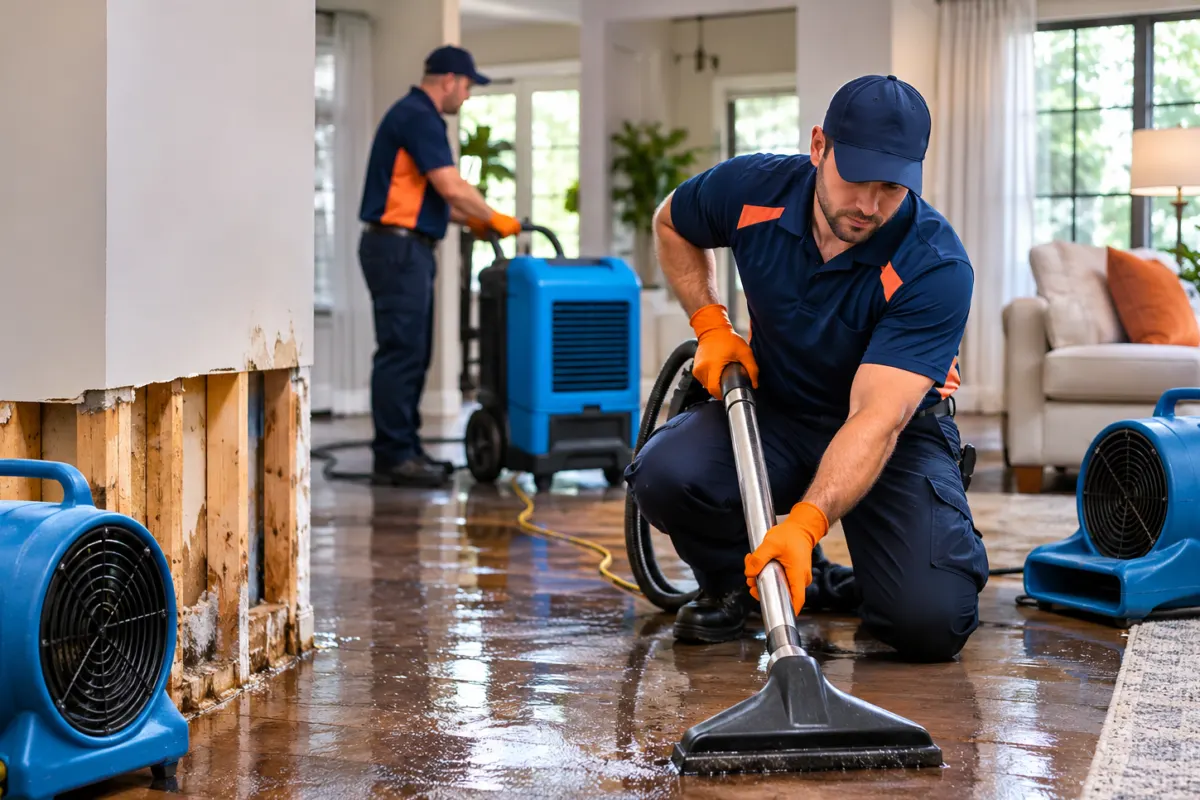
Water mitigation in Greenville, SC is about limiting the damage before repairs begin. That can mean stopping a safe-to-reach water supply, arranging extraction, and identifying moisture that has spread beyond the visible puddle. Ask an independent contractor which urgent steps are appropriate for your property.
Service overview
Water Mitigation Greenville, SC
The immediate objective is damage control. When a supply line breaks, the next few decisions can affect cabinets, flooring, drywall and belongings beyond the original leak. If the shutoff is safely accessible, stopping the flow comes first. A qualified contractor may then evaluate contamination, remove pooled water, protect affected contents and identify materials that need prompt drying or removal. Mitigation is the stabilization stage; reconstruction and cosmetic repairs may come afterward. The recommended scope depends on what the inspection actually finds.
Need water mitigation in Greenville? This site helps you inquire about independent providers—not a company-owned emergency crew. Ask the contractor to confirm available services, fees and timing before relying on a response.
Common situations
When Water Mitigation May Be Needed?
When Mitigation Matters Most
A burst pipe, overflowing fixture or sudden indoor leak can spread through baseboards and cabinets. Where safe, stopping the source can limit further entry. A contractor may assess pooling water, inaccessible cavities and materials that need prompt attention.
Mitigation vs. Full Restoration
Water mitigation addresses immediate loss control: source assessment, extraction where needed, protecting contents, and appropriate drying. Restoration may additionally involve cleaning or repairing damaged drywall, flooring, cabinets and finishes. Ask for the two portions of the scope separately.
Clean Water vs. Contaminated Water
A supply-line leak and outside floodwater are not the same cleanup problem. Sewage and unknown stormwater can carry pathogens or chemicals. Keep clear of contaminated water and have qualified personnel assess safe entry, containment and disposal.
Hidden Moisture and Safety
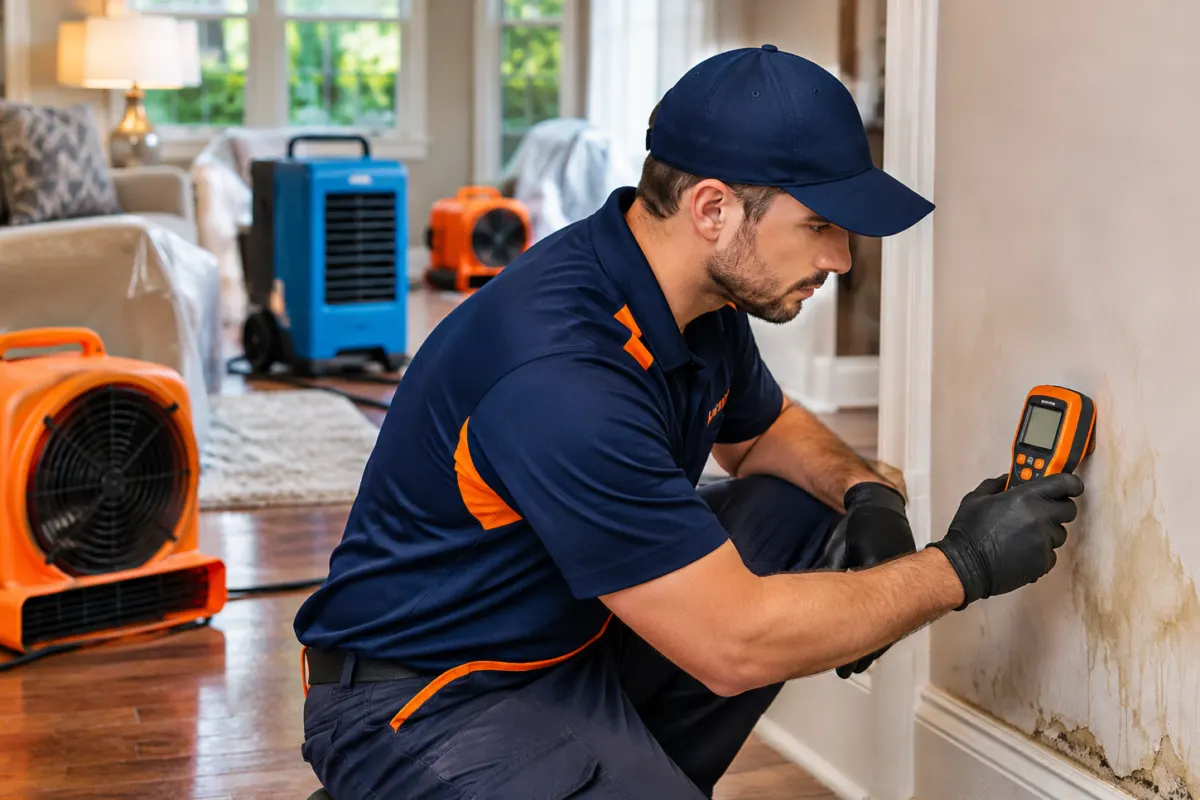
Concealed moisture may remain after a leak. Avoid standing water near electricity, suspected sewage or unstable materials; request a qualified assessment.
Possible service scope
What Water Mitigation Can Include?
An independent provider may discuss the following steps according to the water source, contamination, property access and affected materials:
- Assess safety and stop entry: Avoid wet electrical equipment and unstable materials. Stop a reachable supply valve only when it is safe.
- Document and map damage: Inspect affected rooms and identify whether water reached subfloors, walls or contents.
- Remove water where appropriate: Qualified contractors may use pumps or extractors; equipment choice depends on the source and location.
- Dry and monitor materials: A provider may use air movers, dehumidifiers and moisture measurements to guide the drying plan.
- Decide on repair scope: Ask which materials can remain and whether reconstruction or separate specialists are needed.
Confirm exactly what is included before approving a written estimate; additional plumbing or construction work may be separate.
Typical process
How Water Mitigation Works?
Assess safety and stop entry
Avoid wet electrical equipment and unstable materials. Stop a reachable supply valve only when it is safe.
Document and map damage
Inspect affected rooms and identify whether water reached subfloors, walls or contents.
Remove water where appropriate
Qualified contractors may use pumps or extractors; equipment choice depends on the source and location.
Dry and monitor materials
A provider may use air movers, dehumidifiers and moisture measurements to guide the drying plan.
Decide on repair scope
Ask which materials can remain and whether reconstruction or separate specialists are needed.
Pricing factors
Water Mitigation Cost in Greenville
What affects the estimate?
A mitigation estimate depends on how far water traveled, whether water is clean or contaminated, how much extraction is required, and whether crews need to inspect concealed spaces. Ask for the expected equipment and monitoring charges separately from demolition, contents work and later reconstruction; a plumber may bill independently for correcting the leak.
- Volume and source of water, including contamination concerns
- Accessibility and extent of affected rooms, materials or cavities
- Equipment, monitoring and any material removal required
- Separate repairs, plumbing or building work outside the cleanup scope
Practical guidance
Important Details Before Work Begins
Protecting Personal Belongings
Move portable valuables only if safe. Wet upholstered or porous contents may need specialist evaluation, especially after contaminated water exposure. Ask if handling, inventory, or storage services are included.
Can Mitigation Prevent Mold?
Rapid moisture control may lower the risk of growth but does not guarantee prevention. The EPA recommends addressing the moisture source and drying water-damaged areas promptly, ideally within 24–48 hours. Materials exposed to sewage or prolonged wetting may need different treatment.
Estimating Mitigation Costs
A quote can depend on area, contamination, equipment, access, affected materials and monitoring. Ask about inspection fees and separate charges for extraction, demolition, drying and repairs.
How to Choose an Independent Contractor?
Explain which rooms are affected, whether the water is still entering, and whether sewage, electricity, a collapsing ceiling, or other hazards are present. Verify the provider’s service area, applicable licensing and insurance, actual availability, and methods. Ask for a written scope distinguishing water removal, drying, cleanup, and rebuilding; any insurer decisions are separate.
Questions and answers
FAQs About Greenville Water Mitigation
Is water mitigation the same as restoration?
Mitigation limits ongoing loss; restoration can include broader cleaning and repairs. A project may require both.
Is emergency water extraction included?
It may be, depending on standing water and the provider’s scope. Confirm it directly.
Can a contractor dry a wall without removing drywall?
Sometimes, but material condition, contamination, and moisture measurements determine suitability.
Does water mitigation include plumbing repair?
Plumbing repairs may be separate and may require a qualified plumber.
How quickly should wet materials be addressed?
As soon as safe and practical. The EPA advises drying wet areas promptly, ideally within 24–48 hours.
How much does water mitigation cost?
There is no universal price; request a property-specific estimate and itemized scope.
Explore related topics
Related Water Damage Services
Local inquiries
Water Mitigation Around Greenville and Upstate SC
Inquiries may come from Greenville, Spartanburg, Anderson, Greer, Simpsonville, and nearby communities. Provider coverage must be confirmed for your exact address. If water may be contaminated, avoid the area and follow qualified advice. The EPA’s moisture guidance is a useful general reference.
If you need help selecting a provider, contact our referral line and confirm contractor coverage for your exact address.
Need Water Mitigation in Greenville?
Call to request a connection with an independent contractor and ask about service availability, inspections, and costs.