Does Homeowners Insurance Cover Water Damage? A South Carolina Guide
“Will insurance cover this?” is the first question most homeowners ask us after the shock wears off — and the answer is the classic: it depends. South Carolina policies follow national patterns, but the details decide thousands of dollars. Here’s the plain-English version, based on what we see adjusters approve and deny across the Upstate every week.
Wondering about out-of-pocket costs either way? See our 2026 Greenville price guide — and how our restoration process documents everything adjusters need.

The golden rule: sudden vs. gradual
Almost every standard HO-3 homeowners policy in South Carolina covers water damage that is sudden and accidental — and excludes damage that is gradual or maintenance-related. That single distinction decides most claims:
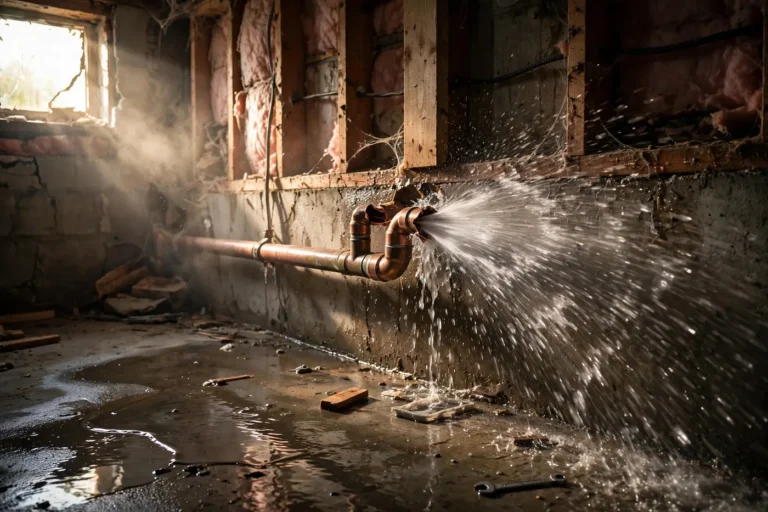
- Covered: burst pipe, appliance supply-line failure, water heater rupture, washing machine overflow, storm-driven rain entering through wind-damaged roofing.
- Not covered: a leak you’ve known about for months, seepage through foundation cracks, groundwater rising into a basement, mold from long-term humidity.
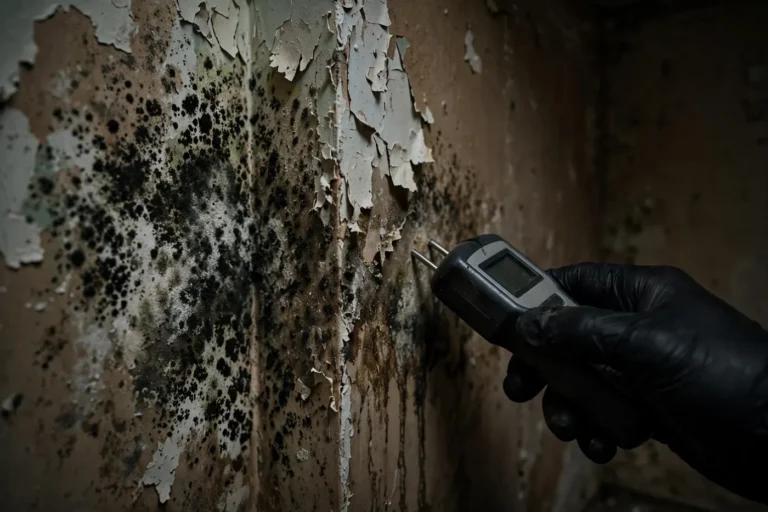
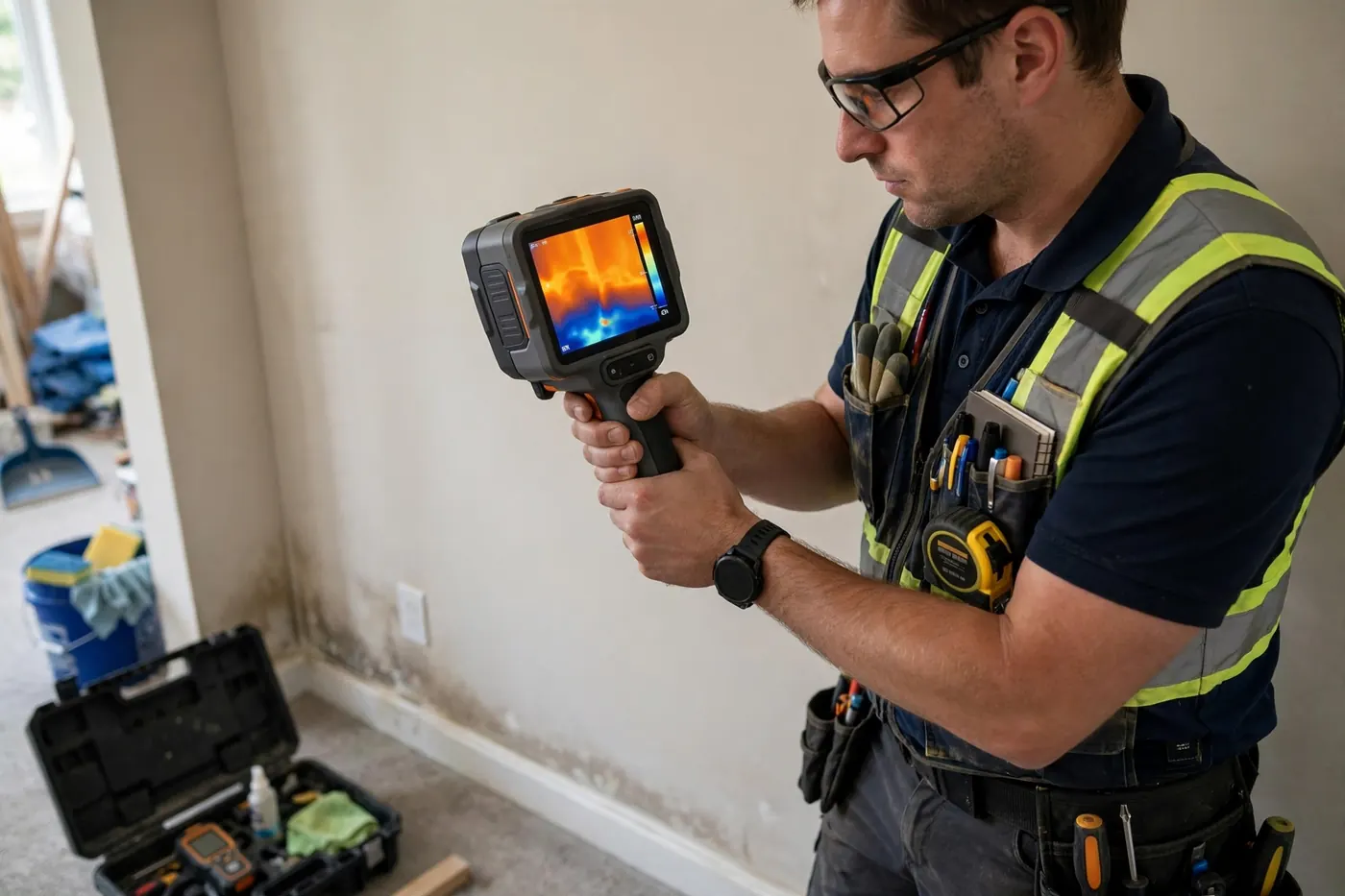
The gray zone is where claims are won or lost: a pipe that “suddenly” burst may have been corroding for years. Documentation is everything — which is why professional moisture mapping and photos from day one matter so much.
South Carolina specifics worth knowing
Hurricane and storm deductibles: Many SC policies — especially in coastal counties, but increasingly inland — carry separate, higher hurricane deductibles (often 1–5% of dwelling coverage). For Upstate homeowners, standard deductibles usually apply to tropical-storm remnants, but check your declarations page.
Flood insurance is separate: Standard homeowners policies do not cover flooding — defined as water rising from outside (overflowing rivers, storm surge, surface water). That requires NFIP or private flood insurance. After the heavy rain events the Upstate has seen in recent years, this gap surprises homeowners regularly.
Sewer backup endorsement: Not in the base policy. If a sewer line backs up into your home — one of the nastiest and most expensive incidents — you’re paying out of pocket unless you added this inexpensive rider. For homes with older clay or cast-iron sewer lines (common in established Greenville neighborhoods), this endorsement is a no-brainer.
What’s typically covered dollar-wise
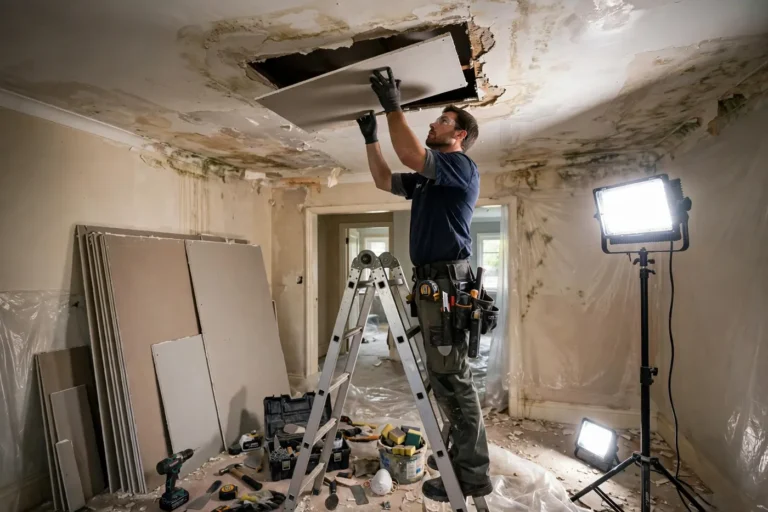
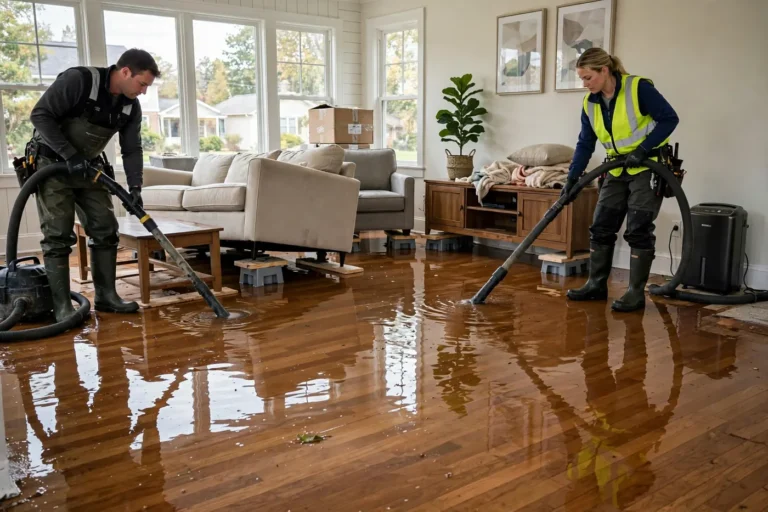
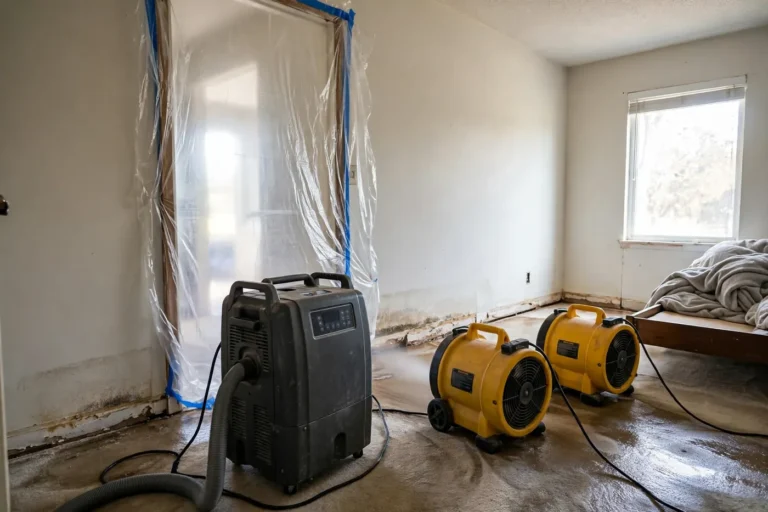
When a claim is approved, policies generally pay for: emergency mitigation (extraction, drying), removal of unsalvageable materials, repairs to the structure (drywall, flooring, paint), and often additional living expenses if you must relocate temporarily. Personal property coverage handles damaged belongings up to your limits. What’s commonly capped or excluded: the cost to fix the source itself (the policy pays for the damage the burst pipe caused, not the plumber’s pipe repair), and any pre-existing wear.
How to file a claim that actually gets paid
- Mitigate first, document always. Your policy requires you to prevent further damage — that’s why calling a restoration company immediately is both practical and contractual. Photograph everything before anything is moved.
- Call your insurer promptly — most policies require “prompt” notice. Days, not weeks.
- Keep every receipt — emergency services, hotel stays, meals if displaced. Additional living expenses add up.
- Don’t throw anything away until the adjuster has seen it. Ruined carpet and drywall are evidence.
- Get an independent scope. The adjuster’s estimate serves the insurer. A restoration company’s detailed scope — with moisture readings and photos — gives you something to compare against.
- Understand depreciation vs. replacement cost. Actual cash value (ACV) policies pay depreciated value; replacement cost value (RCV) pays the full repair cost (often in two checks: ACV upfront, the rest when work completes). Know which you have.
Common reasons claims get denied — and how to avoid them
The top denial reasons we see: delayed reporting (waiting weeks to file suggests the damage wasn’t urgent), lack of maintenance (a water heater from 1998 with no maintenance records), no documentation (no photos, no professional assessment — just your word), and pre-existing damage (the adjuster finds old stains under your new ones). Every one of these is preventable: report promptly, keep appliance ages and service records, photograph everything immediately, and get a professional moisture inspection on record from day one. A $200 inspection report has salvaged many five-figure claims.
How we help with the insurance process
We work with adjusters weekly across Greenville, Spartanburg, and Anderson. That means: thorough photo and moisture documentation from day one, line-item estimates in the format adjusters expect, direct communication with your adjuster to resolve scope questions, and no work beyond what your claim supports without your explicit approval. Our job is restoring your home; making the paperwork smooth is part of it. Start with our full restoration service or a documented inspection if you’re still assessing.
For flood-specific coverage (excluded from standard policies), FEMA’s National Flood Insurance Program is the primary resource.
Dealing with water damage and insurance?
We document everything adjusters need and restore your home right — one call handles both.