
Local Greenville Restoration
Structural Drying and Dehumidification in Greenville, SC
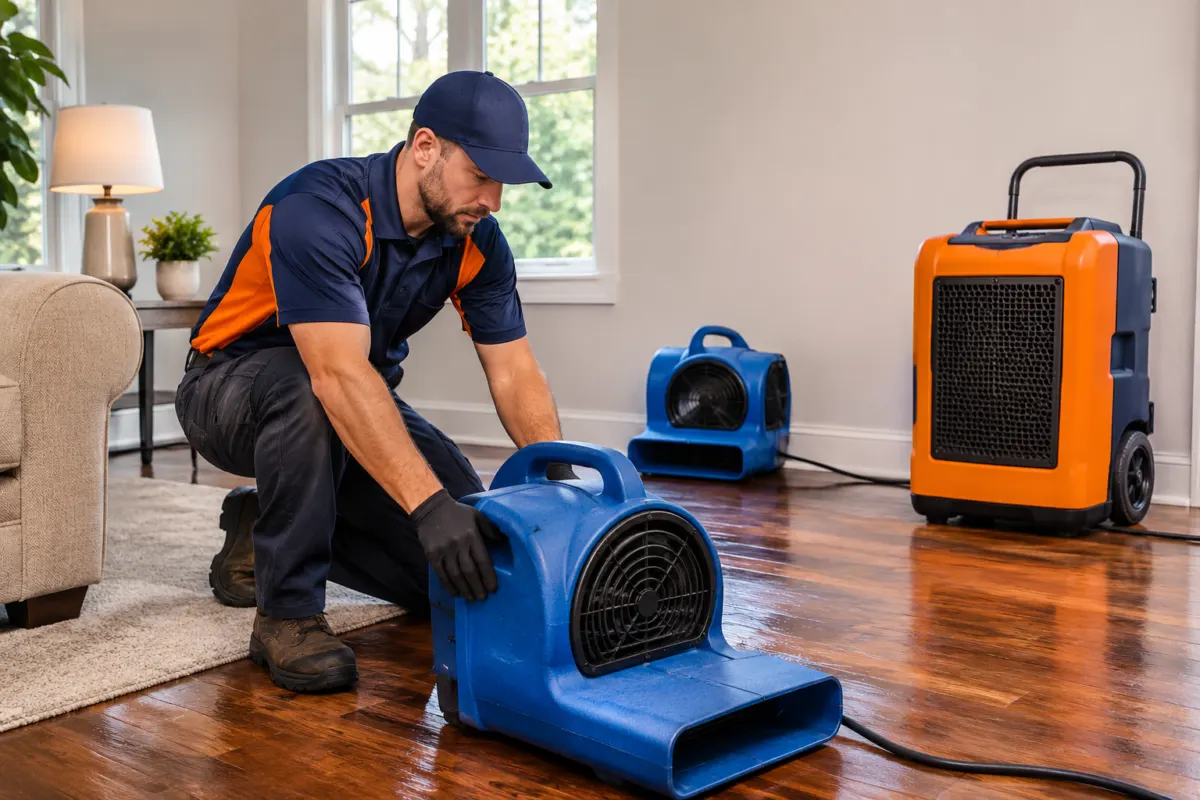
What does structural drying and dehumidification in Greenville, SC involve after standing water has been removed? It starts with finding moisture that remains inside drywall, subfloors, or framing—not simply running fans for a set number of days. The provider can explain how materials are assessed and drying progress is checked.
Service overview
Structural Drying and Dehumidification in Greenville, SC
Drying is measured, not guessed. A damp timber subfloor, a painted drywall partition and wet insulation respond differently to airflow and humidity control. Before equipment is selected, a qualified contractor may compare affected materials with dry reference areas and consider whether any contaminated or damaged material must be removed. Air movers and dehumidifiers can then be part of an appropriate drying plan, with follow-up checks helping determine whether conditions are suitable for repair. The absence of visible water alone cannot establish that drying is complete.
For structural drying and dehumidification in Greenville, this independent referral site can help you ask local providers about assessment methods and equipment. The contractor remains responsible for choosing and monitoring its work; no fixed drying duration is guaranteed.
Common situations
When Structural Drying and Dehumidification May Be Needed
Why the Structure May Still Be Wet
Water can wick into plasterboard, absorb into wood and migrate beneath floor coverings. A room can look dry while an enclosed section remains damp. Contractors may need moisture checks beyond the initial wet spot before starting repairs.
Drying Is Different From Water Extraction
Extraction removes the bulk liquid water. Drying changes the moisture balance in affected materials using equipment and monitored conditions. A property may need both stages, especially when a plumbing leak has reached wall or floor cavities.
When Materials May Need Removal
Severely damaged, contaminated or unsuitable materials may not be safely dried in place. Ask how the provider evaluates wet insulation, flooring, drywall and cabinetry before proposing removal or replacement.
Safety and Hidden Moisture
Avoid wet electrical equipment, sewage and unstable materials. Ask whether concealed flooring or wall moisture needs professional assessment.
Service scope
What Structural Drying and Dehumidification May Include?
An independent contractor can discuss which work is appropriate for the actual water source and property conditions:
- Find and stop the water source: Drying cannot resolve an active leak; confirm the source is addressed first.
- Inspect and measure: Map affected building materials and establish baseline moisture readings when appropriate.
- Plan airflow and dehumidification: Use suitable equipment based on building materials, the extent of wetting and indoor conditions.
- Monitor progress: Repeat moisture checks and adjust equipment rather than relying only on a fixed number of days.
- Document readiness for repairs: The provider should explain what indicates materials are sufficiently dry or must be replaced.
Confirm fees, availability, equipment and any separate plumbing or building repairs with the provider.
Step-by-step
How Structural Drying and Dehumidification Works?
Find and stop the water source
Drying cannot resolve an active leak; confirm the source is addressed first.
Inspect and measure
Map affected building materials and establish baseline moisture readings when appropriate.
Plan airflow and dehumidification
Use suitable equipment based on building materials, the extent of wetting and indoor conditions.
Monitor progress
Repeat moisture checks and adjust equipment rather than relying only on a fixed number of days.
Document readiness for repairs
The provider should explain what indicates materials are sufficiently dry or must be replaced.
Pricing factors
Structural Drying and Dehumidification Cost in Greenville
What affects the price?
The drying estimate may change with the number of wet assemblies, the ability to access hidden cavities, dehumidifier and air-mover requirements, power access, and how many monitoring visits are needed. Ask whether equipment rental, moisture readings, removal of unsalvageable materials and post-drying repair are charged separately.
- Water source and possible contamination
- Extent and accessibility of affected areas
- Inspection, extraction, drying and moisture monitoring needs
- Any material removal, reconstruction or separate specialist services
Practical guidance
Important Details Before Cleanup
Air Movers and Dehumidifiers
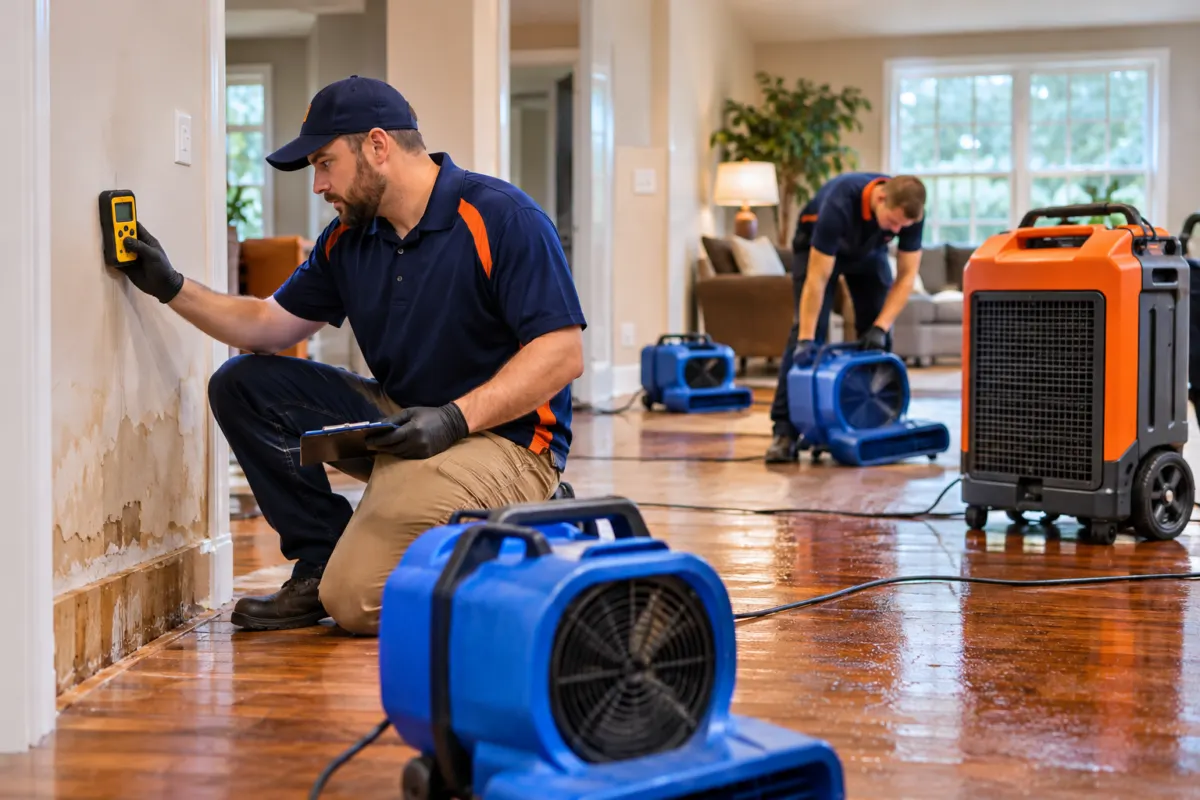
Air movers increase air circulation across affected surfaces, while dehumidifiers remove moisture from air. These tools require appropriate placement and monitoring; ordinary home fans are not always adequate for concealed wet materials.
Wet Hardwood and Subfloors
Cupping, crowning or lifting boards can indicate moisture problems. Avoid sanding or refinishing until the wood and subfloor have been evaluated and their moisture condition is appropriate for repair.
How Long Structural Drying Takes
Some projects require several days; concealed saturation, contaminated materials, building access, and weather can add time. Ask how progress will be verified by measurements, not a promised calendar.
Choosing an Independent Contractor
Explain which rooms are affected, whether the water is still entering, and whether sewage, electricity, a collapsing ceiling or other hazards are present. Verify the provider’s service area, applicable licensing and insurance, actual availability and methods. Ask for a written scope distinguishing water removal, drying, cleanup and rebuilding; any insurer decisions are separate.
Questions and answers
FAQs About Structural Drying and Dehumidification
How is structural drying different from extraction?
Extraction removes liquid water, while structural drying reduces moisture held in building materials.
Can wet drywall be dried in place?
Sometimes, depending on water source, swelling, contamination and moisture condition.
Do dehumidifiers remove water trapped in walls?
They can be part of a professional drying plan, but concealed moisture requires appropriate inspection and airflow.
What does moisture monitoring mean?
Checking material moisture and drying progress with suitable instruments over time.
How long does the drying stage take?
The timeline varies with materials, saturation and other conditions; ask the contractor for an assessment-based plan.
Is drying needed after a small leak?
Not always, but a small visible leak may still reach concealed materials. Inspection helps decide.
Explore related topics
Related Water Damage Services
Service areas
Structural Drying and Dehumidification Around Greenville and Upstate SC
Drying needs vary between an occupied Greenville home, an office in Spartanburg and a lower-level room near Anderson. Explain which surfaces remain wet, whether the source is fixed and any access restrictions, then confirm what monitoring and drying services the contractor actually offers. See also the EPA’s moisture guidance for general information.
Ask the independent provider to confirm service coverage for your property’s specific address and ZIP code.
Need Structural Drying and Dehumidification in Greenville?
Call to ask about qualified independent providers, service scope, pricing and current availability.