Water Damage Restoration FAQs: Straight Answers from Greenville Pros
When water is pouring into your home, you don’t have time for vague answers. Below are the questions Greenville homeowners ask us most often — answered the way we’d answer them standing in your living room: straight, honest, and specific to the Upstate.
Two questions come up in almost every call: what it costs and how long it takes — we answer both in detail below.
How fast can you get to my home?
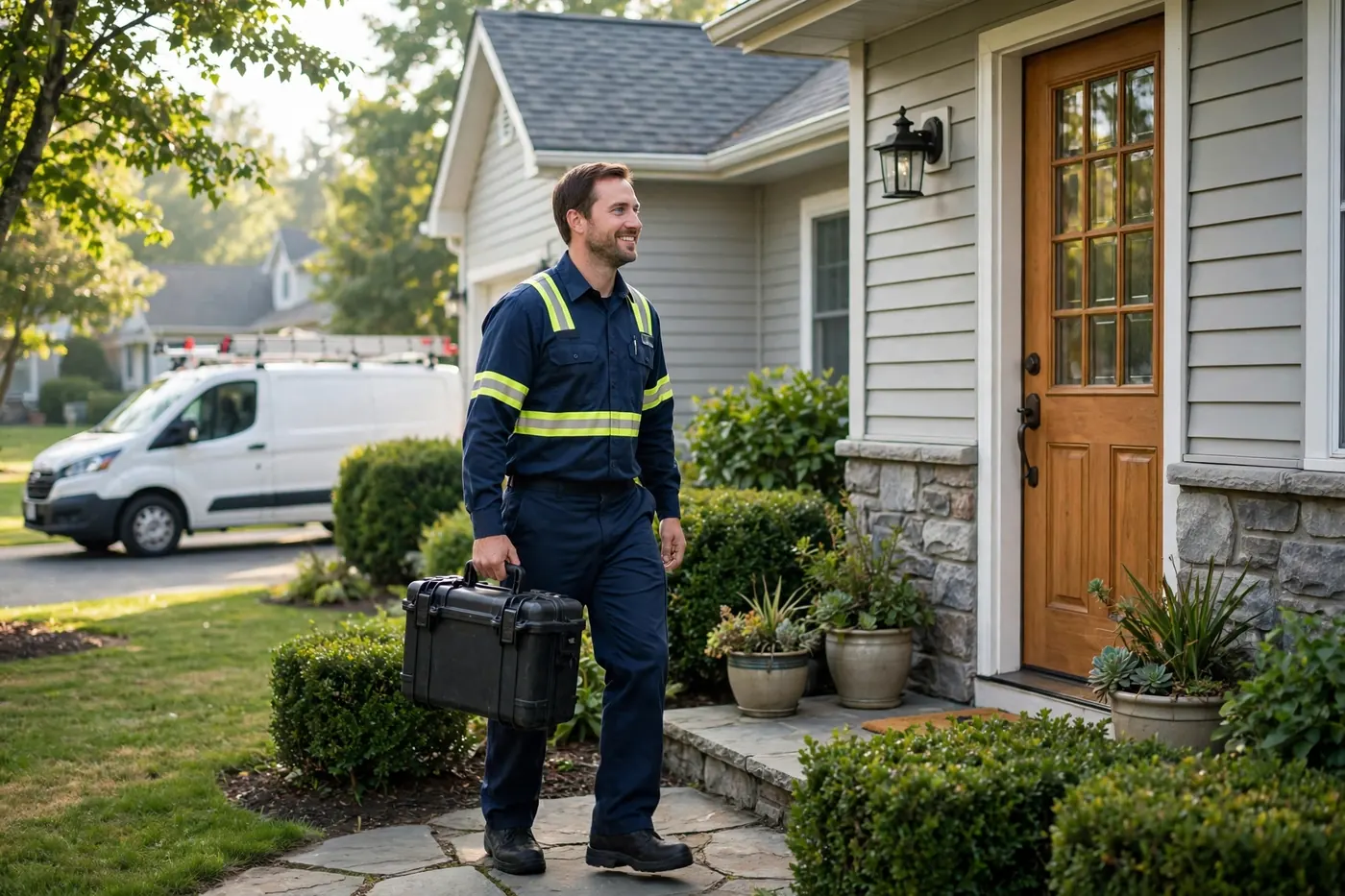
Our crews typically arrive within 60–90 minutes anywhere in our service area — Greenville, Spartanburg, Anderson, and surrounding towns like Greer, Mauldin, and Simpsonville. We dispatch 24 hours a day, including nights, weekends, and holidays. In water damage, the first few hours decide whether you’re dealing with a cleanup or a full reconstruction, so speed isn’t a marketing line for us — it’s the whole business model.
What should I do while I wait for the crew?
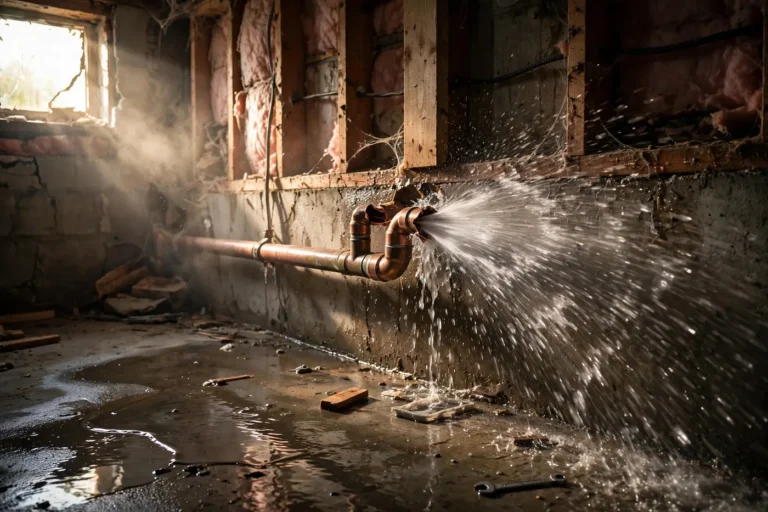
Three things, in this order: stop the source if you safely can (shutoff valve, appliance supply line), move valuables and electronics out of the wet area, and stay out of standing water that might be contaminated — especially if it’s coming from a drain, toilet, or outside. Don’t run your HVAC if there’s water near the air handler, and don’t poke at a sagging ceiling. We’ll handle the rest when we arrive.
Will my homeowners insurance cover this?
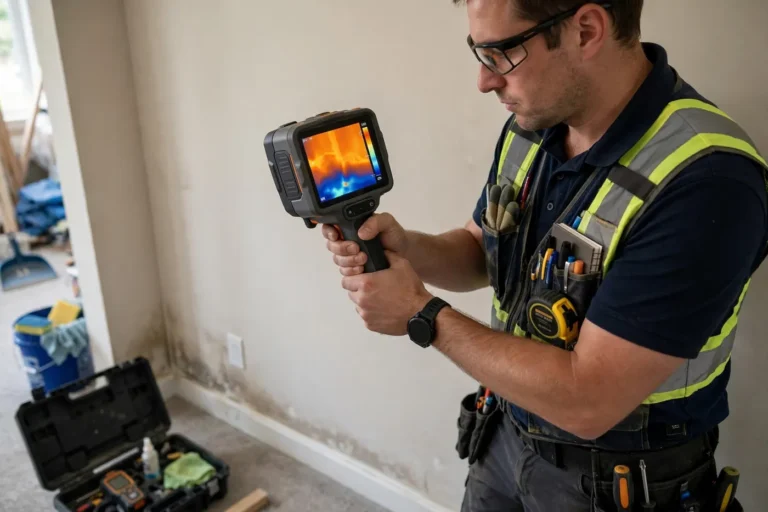
Usually, yes — if the damage was sudden and accidental. Burst pipes, appliance failures, water heater leaks, and storm-driven rain entering through a damaged roof are typically covered. What’s usually not covered: long-term leaks you knew about, groundwater seepage without a flood policy, and sewer backup unless you carry that endorsement. We document everything with photos and moisture readings and work directly with your adjuster. Read our full South Carolina insurance guide for the details.
How much does water damage restoration cost?
It depends on the category of water, the square footage affected, and how long materials stayed wet. A small clean-water incident contained to one room can run in the hundreds; a multi-room flood with contaminated water and reconstruction runs into the thousands. You always get a written estimate before work begins — never a surprise invoice after. Our 2026 Greenville price guide breaks down the real numbers.
How long does the whole process take?
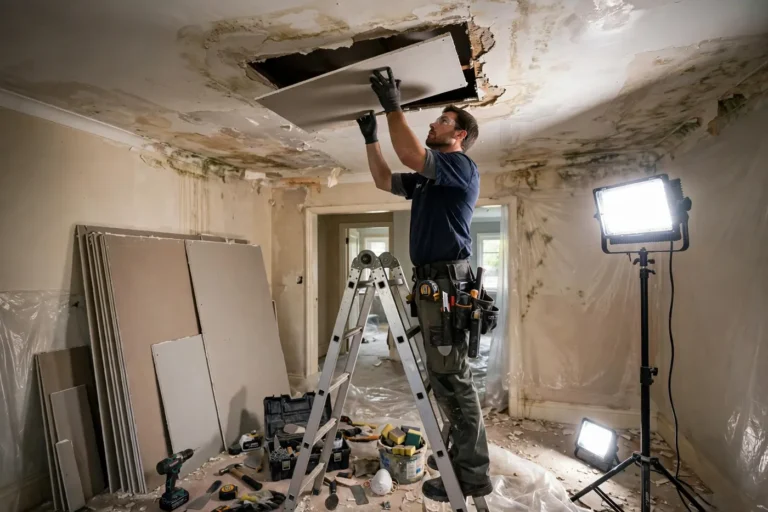
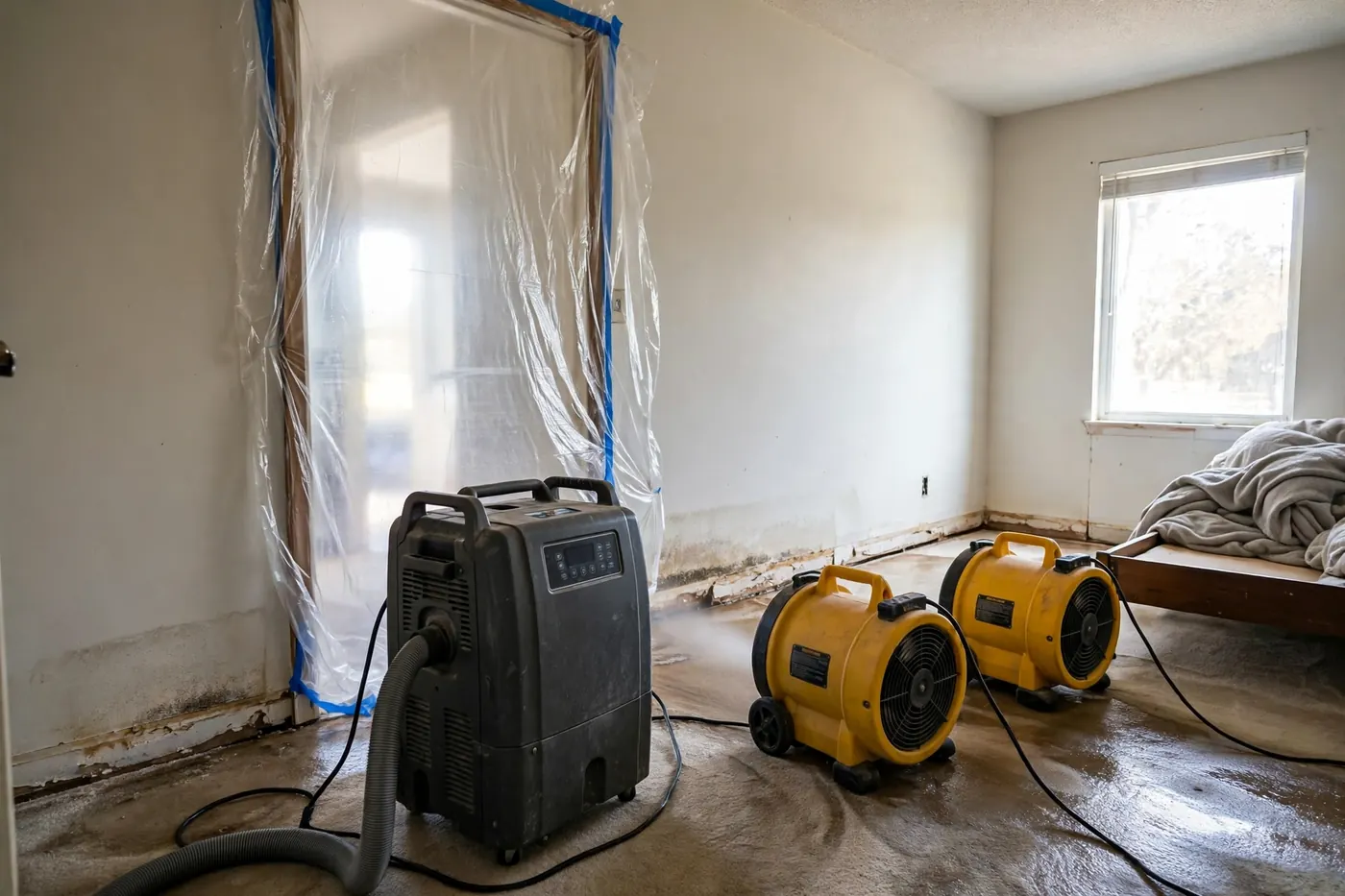
Extraction happens on day one. Structural drying typically takes 3–5 days with commercial dehumidifiers and air movers running continuously. Repairs and reconstruction add time depending on what was damaged — drywall replacement, flooring, paint. Most residential jobs are fully complete within one to two weeks. See how long restoration takes for a phase-by-phase timeline.
Can I stay in my home during restoration?
In most cases, yes. We contain the work area with barriers, and modern drying equipment is far quieter than the machines of ten years ago. You’ll hear air movers running — think strong fans — but they’re safe to be around. We’ll tell you upfront if any area needs to stay clear, which is rare outside of sewage contamination jobs.
Do you handle mold, or do I need a separate company?
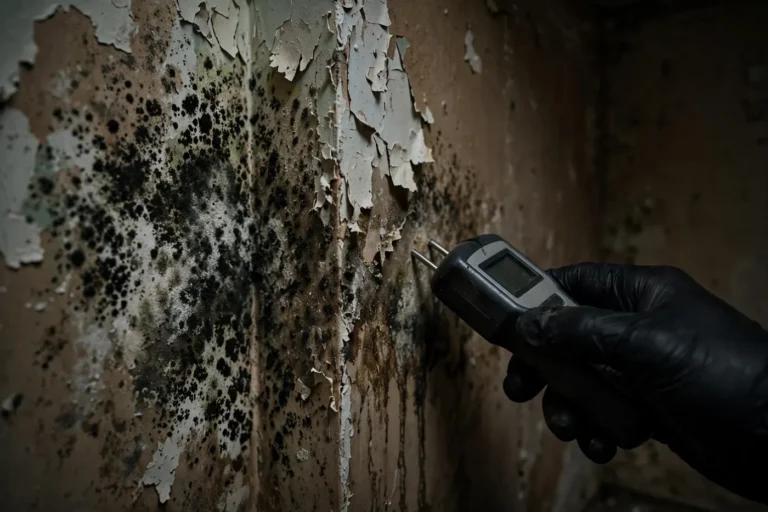
We handle it. Every job includes antimicrobial treatment and verified dry-out specifically to prevent mold from starting. If mold is already present, we remediate it to industry standards — containment, HEPA filtration, removal of affected materials — as part of the same project. One crew, one timeline, one point of accountability.
What’s the difference between water removal and water damage restoration?
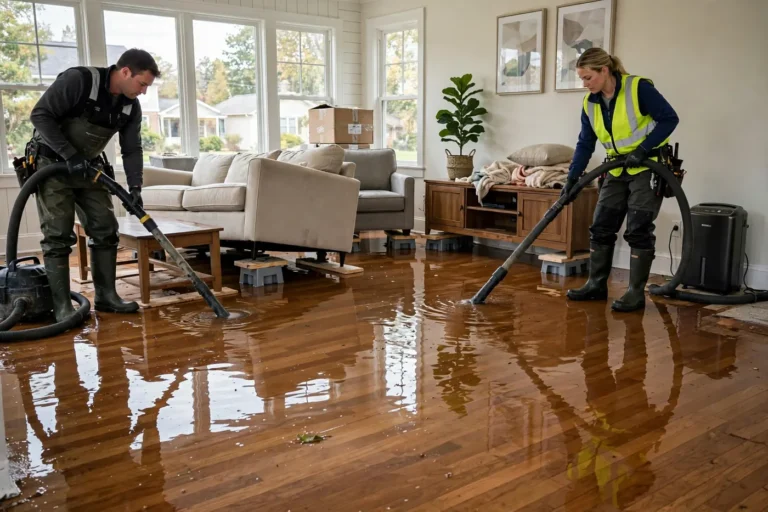
Water removal (extraction) is step one: pumping and vacuuming out standing water. Restoration is the complete job — extraction, structural drying, dehumidification, antimicrobial treatment, moisture verification, and repairing or replacing damaged materials. A shop-vac and some fans is water removal. Getting your home back to pre-loss condition is restoration. Our full restoration service covers the entire process.
Do I really need professional drying? Can’t I just use fans?
Household fans move surface air; they don’t pull moisture out of wall cavities, subfloors, and framing — which is where the real damage hides. Without commercial dehumidification and daily moisture readings, trapped moisture causes mold within 24–48 hours and structural weakening over weeks. The equipment matters, but the moisture verification matters more: we don’t leave until readings confirm materials are actually dry, not just dry to the touch.
What areas do you serve?
Greenville, Spartanburg, and Anderson counties plus surrounding communities — Greer, Mauldin, Simpsonville, Fountain Inn, Easley, Travelers Rest, and Pickens. If you’re unsure whether you’re in range, call with your ZIP code and we’ll tell you straight.
For the technical standards behind professional restoration, see the IICRC’s resources — the industry body behind the S500 standard of care.
Still have questions? Just call.
Talk to a real restoration pro — not a call center. We’ll answer your questions and dispatch a crew if you need one, 24/7.