Water Damage Restoration Cost in Greenville, SC: 2026 Price Guide
Nobody publishes honest pricing in this industry — so homeowners walk in blind. Let’s fix that. Based on actual residential jobs across Greenville, Spartanburg, and Anderson, here are the real 2026 cost ranges, what drives them up or down, and how to make sure you’re paying for restoration, not theater.
Insurance covering it? Read our South Carolina insurance guide — or start with a documented inspection for an exact scope.
The quick answer: typical 2026 ranges
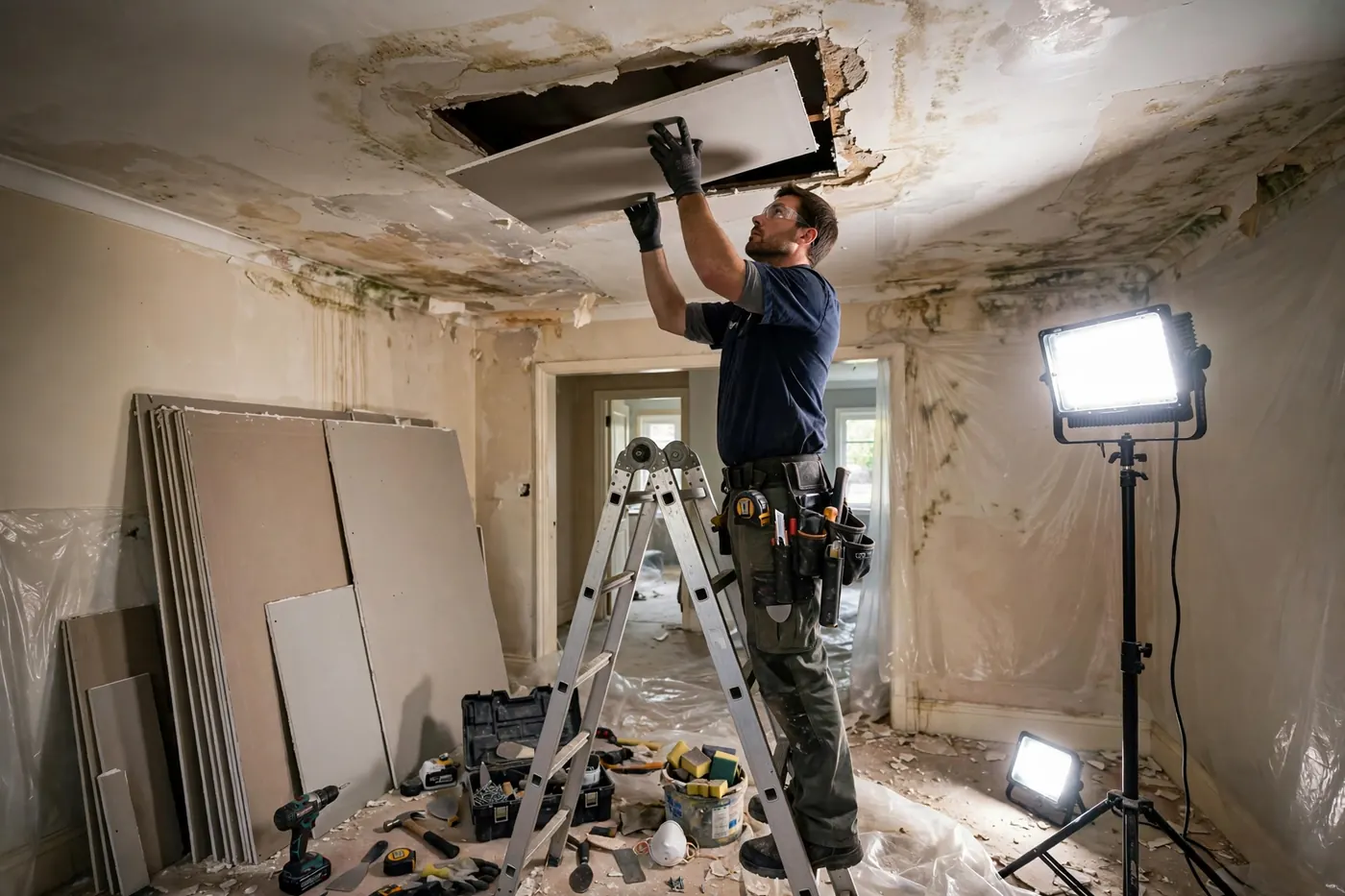
- Minor (single room, clean water, fast response): $800–$2,500 — extraction, 2–3 days of drying, minor drywall repair and paint.
- Moderate (multiple rooms or one large area): $2,500–$7,000 — several days of drying, flooring replacement in affected areas, drywall and trim work.
- Major (whole floor, contaminated water, structural damage): $7,000–$20,000+ — extensive demolition, sanitization, full reconstruction of kitchens, bathrooms, or finished basements.
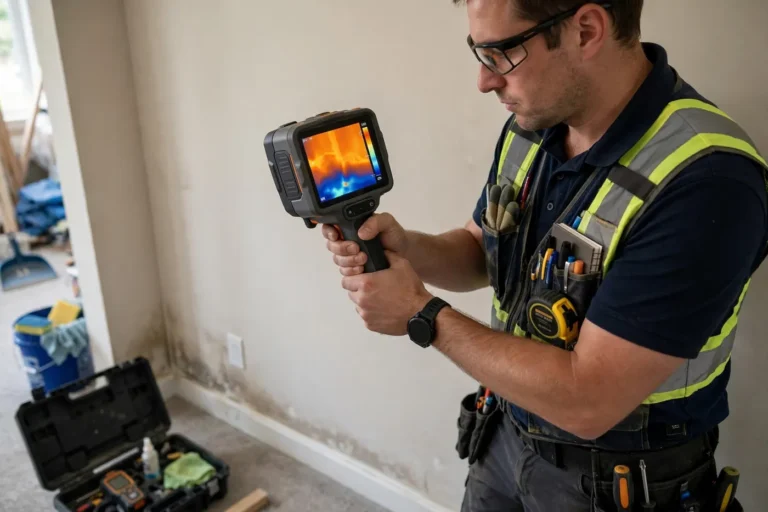
- Inspection only: often free with restoration engagement, or $150–$300 standalone for a documented moisture inspection with thermal imaging.
These are Upstate SC market ranges — coastal markets and major metros run 15–30% higher for the same work.
What actually drives the cost
1. Water category. Clean supply-line water is cheapest to handle. Gray water (appliances, shower drains) adds sanitization. Black water (sewage, floodwater) is the most expensive — everything porous must go, and sanitization is extensive.
2. Square footage and material types. Drying 200 sq ft of tile-over-slab is a different job than 200 sq ft of hardwood-over-crawlspace. Hardwood, plaster, and custom finishes cost more to dry properly — or to replace.
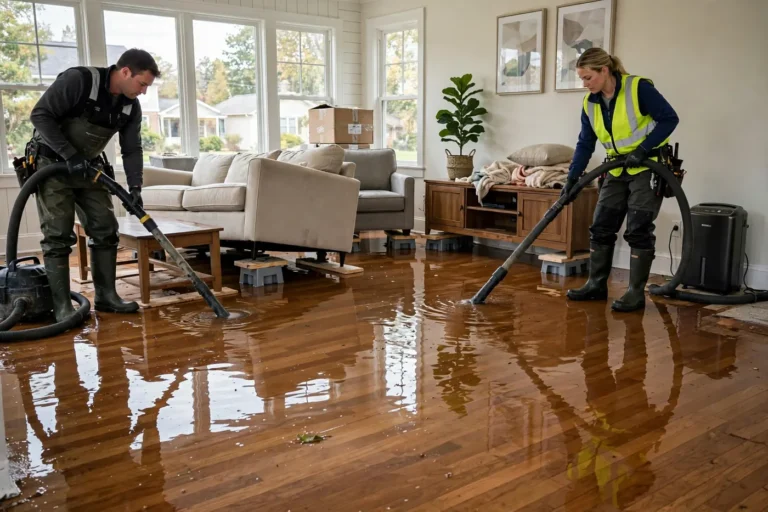
3. Response time. This is the factor you control. Water extracted within hours: dry the structure, minor repairs. Water sitting for days: demolition, mold remediation, reconstruction. The same incident can cost 3–5x more depending on when the clock started.
4. Mold. If mold has established, contained remediation adds $1,500–$5,000+ depending on extent — almost entirely avoidable with fast response.
5. Reconstruction scope. Mitigation (get it dry and safe) vs. full restoration (put it back like new). Kitchens and bathrooms cost more per square foot than bedrooms — cabinets, tile, and plumbing fixtures add up fast.
How billing usually works
Reputable companies bill mitigation using standardized price lists (Xactimate is the industry standard — the same software most insurers use), which keeps pricing consistent and claim-friendly. You should receive a written, line-item estimate before work begins. Reconstruction is typically estimated separately once drying is complete and the full scope is visible. Be wary of anyone who won’t put numbers in writing, demands full payment upfront, or quotes a suspiciously round number without measuring a thing.
Insurance vs. out of pocket
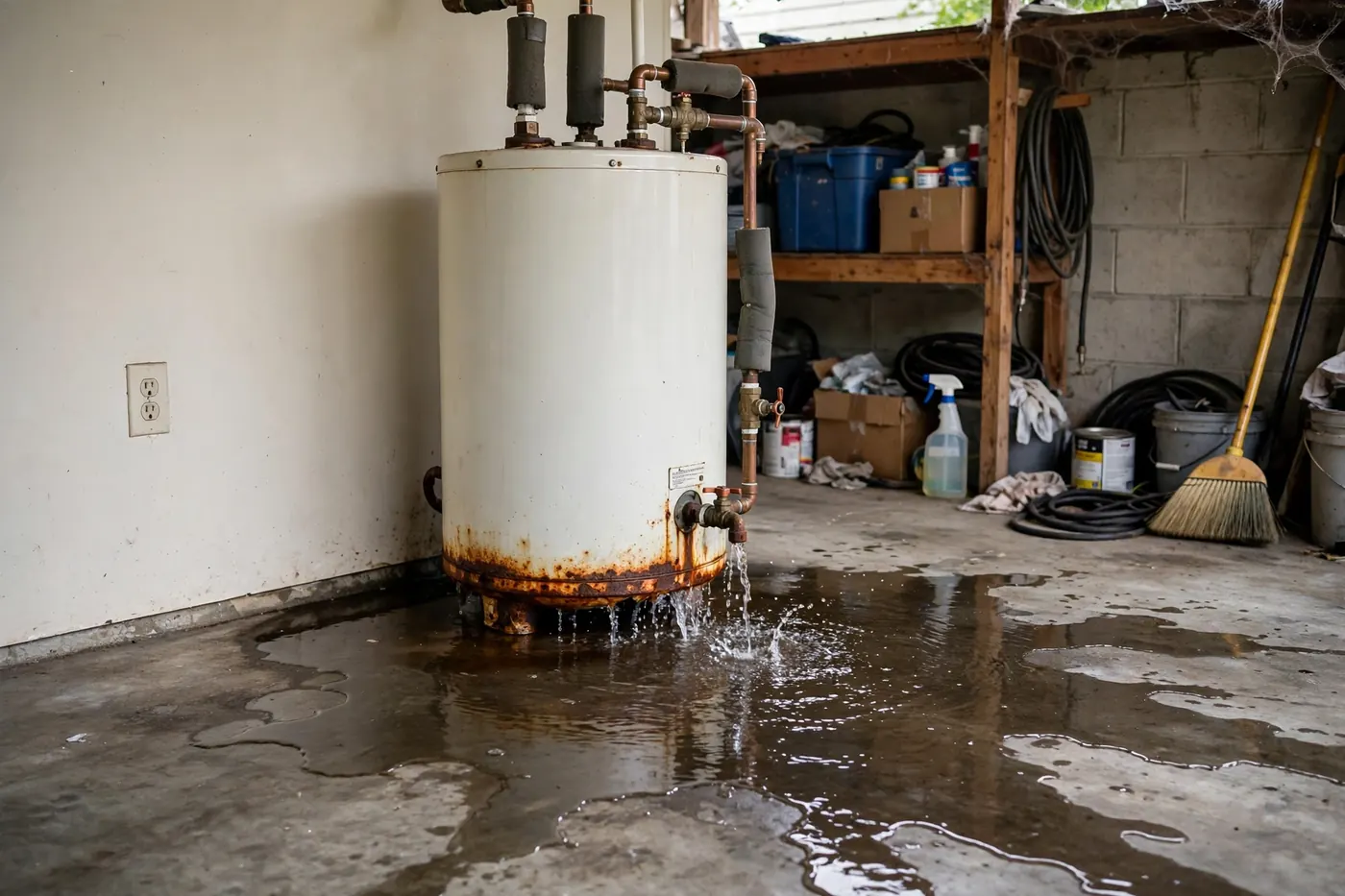
If the cause is sudden and accidental — burst pipe, appliance failure, water heater rupture — your homeowners policy typically covers mitigation and repairs minus your deductible. That makes your real question “what’s my deductible?” not “what’s the total?” Gradual leaks, groundwater, and flood events usually aren’t covered without specific endorsements. Our SC insurance guide walks through exactly what’s covered and how to file.
How to avoid overpaying
- Call fast. Worth repeating: speed is the biggest cost lever you control.
- Get the estimate in writing — line items, not a single scary number.
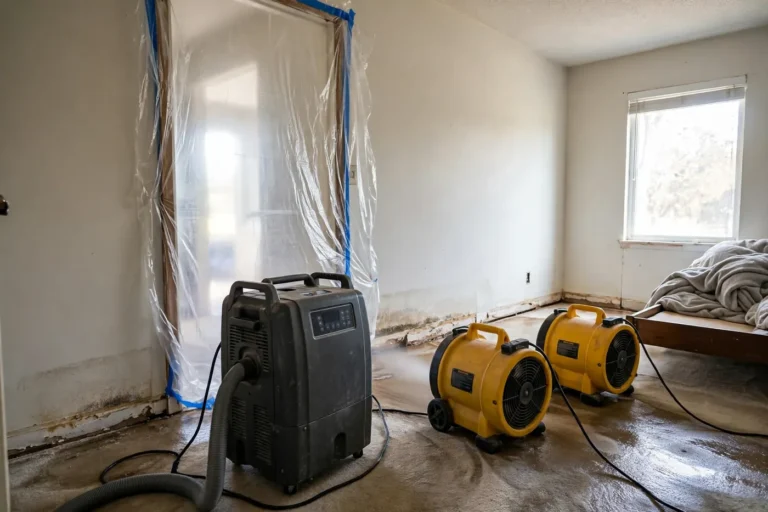
- Ask what’s being dried vs. demolished — unnecessary demolition inflates bills; a company with real drying capability saves materials others would tear out.
- One contractor for mitigation + reconstruction avoids markup stacking between companies.
- Don’t pay in full upfront. Standard: deposit or deductible amount to start, balance on completion.
Should you get multiple quotes?
For planned reconstruction, comparing two or three detailed estimates is smart. For emergency mitigation — water on the floor right now — shopping around costs you more than it saves: every hour of delay expands the damage, and reputable emergency pricing is fairly standardized anyway (most of us bill mitigation from the same Xactimate price lists insurers use). The practical approach: call one trusted company immediately for emergency response, then get competing quotes for the reconstruction phase once drying is complete and the scope is fully visible. You get speed when it matters and price competition when there’s actually time for it.
Red flags in restoration pricing
Walk away from: quotes given sight-unseen over the phone as a firm price (no one can price what they haven’t measured), demands for full payment before work starts, prices dramatically below everyone else (corners will be cut — usually on drying time and verification), and vague single-line invoices. A legitimate estimate lists labor, equipment days, materials, and line items you can compare. If an estimate confuses you, that’s information too.
The cheapest job is the fast job
A $1,200 day-one extraction beats a $9,000 week-late reconstruction every time — same house, same leak, different clock. If you’re reading this with water on the floor right now, stop reading and call. The estimate is free; the delay isn’t.
Understanding flood vs. water damage matters for your wallet — FEMA explains the difference and what each costs to insure against.
Get an exact price for your situation.
Free on-site estimate with line-item pricing — no obligation, no pressure. Serving Greenville, Spartanburg & Anderson.
Want the full picture? Start with our water damage restoration service overview.