How to Prevent Mold After Water Damage
Here’s the timeline nobody tells you about: mold can begin growing on damp drywall and wood within 24 to 48 hours of water exposure. That means by the time your carpet “feels dry,” colonies may already be establishing themselves inside your walls. Preventing mold isn’t a separate service — it’s the entire point of doing water damage restoration correctly.
Not sure if you already have a problem? Learn the 7 signs of hidden water damage — or schedule a professional moisture inspection to know for certain.
Why mold loves water damage
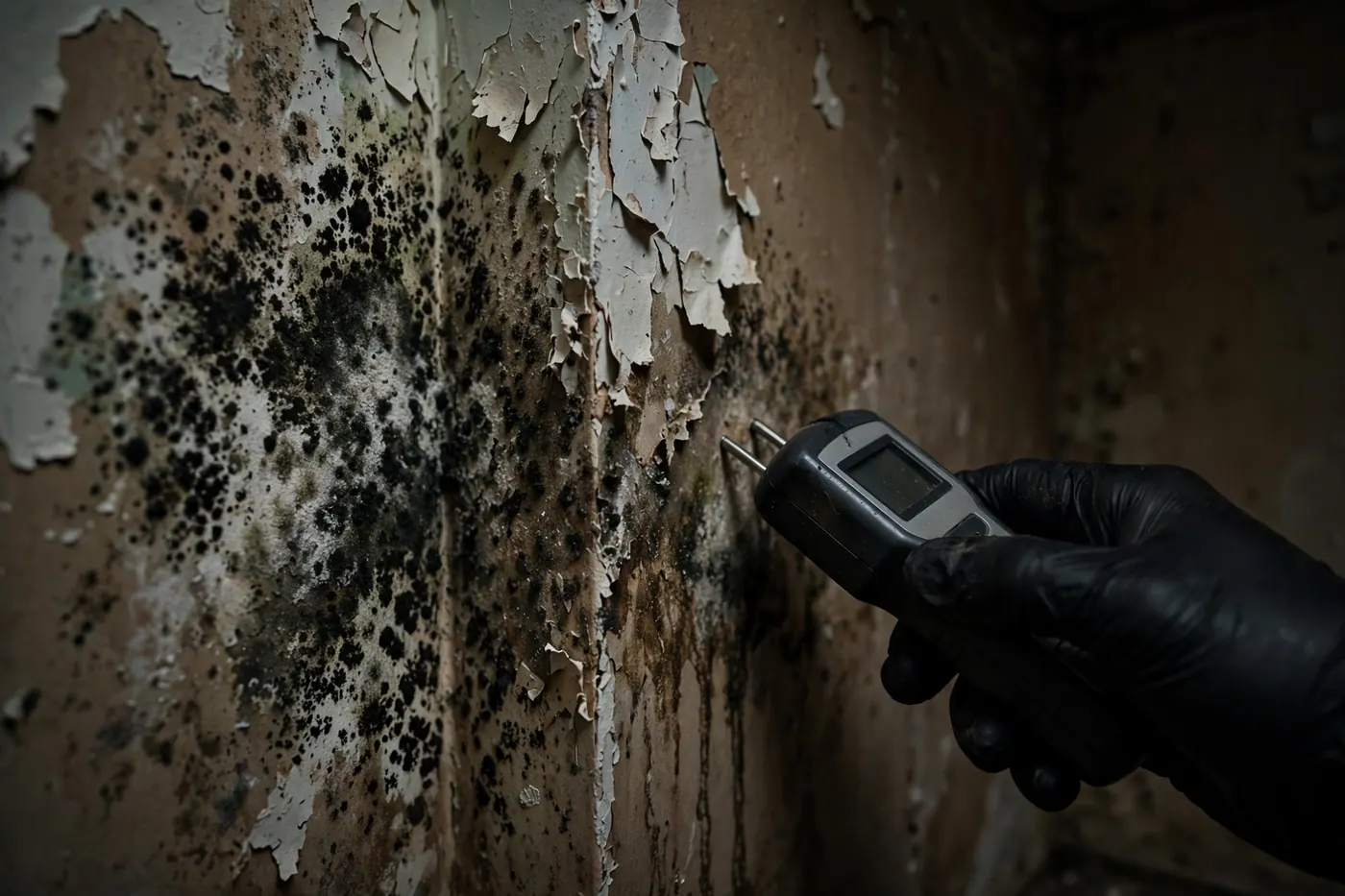
Mold needs three things: moisture, food, and time. A water-damaged home provides all three in abundance — damp drywall paper and wood framing are perfect food sources, and the clock starts the moment materials get wet. Upstate South Carolina’s humidity makes it worse: even after visible water is gone, ambient moisture in the air slows drying and gives mold extra chances. This is why a “dry to the touch” wall can still be growing mold inside the cavity.
The 48-hour rule
Industry guidelines are clear: porous materials (drywall, carpet pad, insulation) that stay wet beyond 48 hours generally can’t be saved — they must be removed. This isn’t upselling; it’s microbiology. Once mold roots into drywall paper, no surface spray eliminates it. Fast professional response exists precisely to beat this clock: extract quickly, dry aggressively, and you save materials that would otherwise end up in a dumpster.
What professional mold prevention actually involves
When we say antimicrobial treatment is standard on every job, here’s what that means in practice:
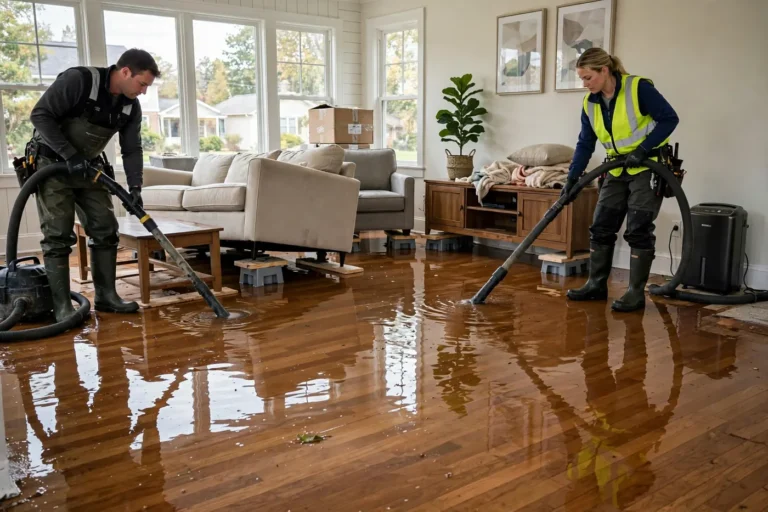
- Rapid extraction first — standing water removed within hours, not days, to stop the clock.
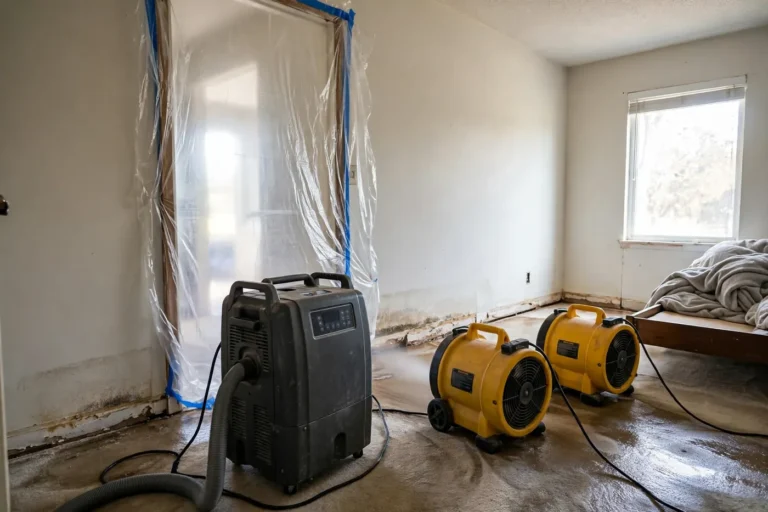
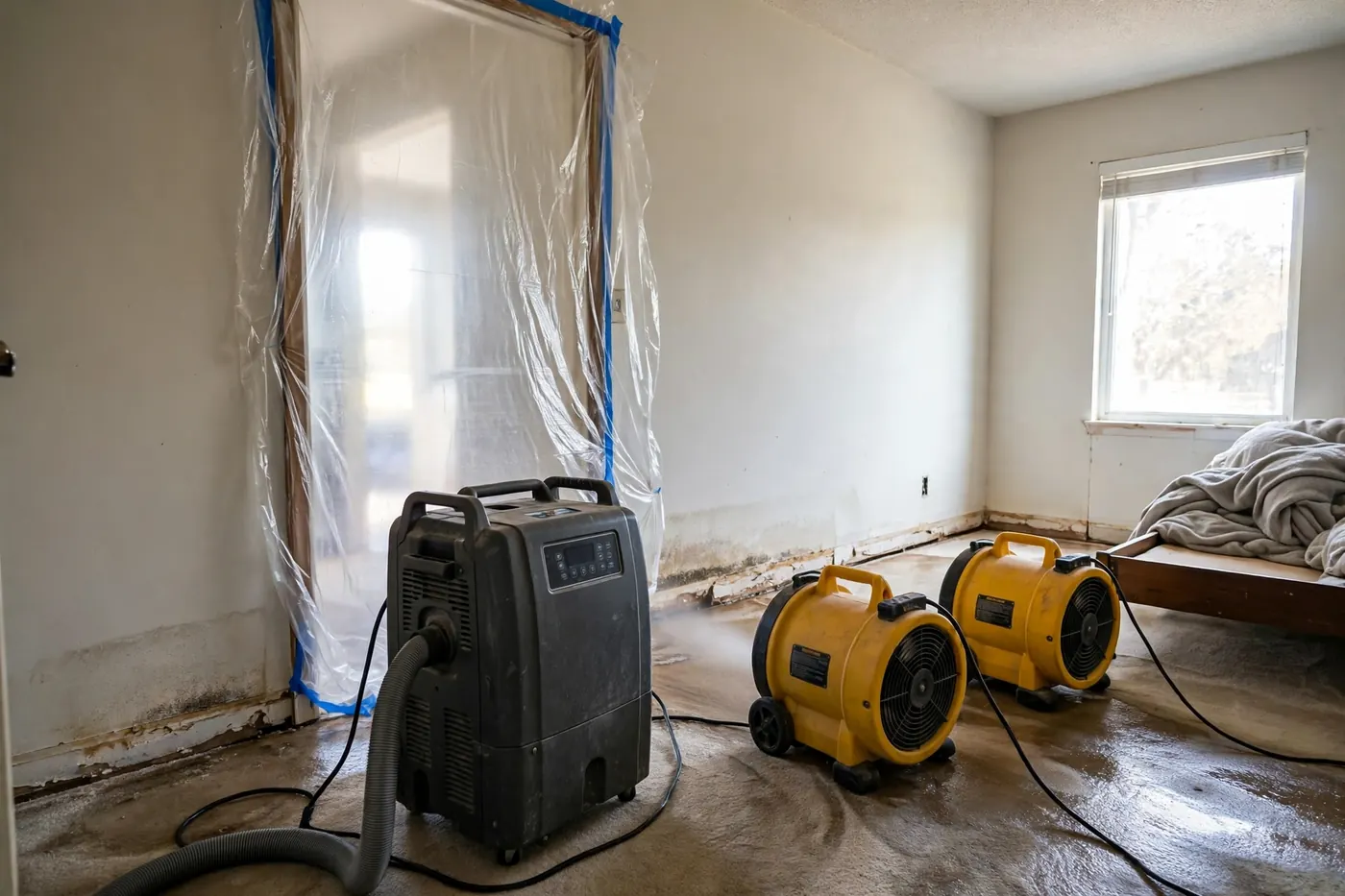
- Commercial dehumidification — not box fans. Refrigerant and desiccant dehumidifiers pull gallons of moisture from the air daily, dropping indoor humidity below the 60% threshold where mold thrives.
- Targeted airflow — air movers positioned to push dry air into wall cavities and under flooring, not just across the room.
- Antimicrobial application — EPA-registered products applied to affected structural surfaces after drying, creating conditions hostile to mold growth.
- Moisture verification — daily meter readings of walls, floors, and framing. We don’t declare a job dry based on feel or time elapsed; we declare it dry based on numbers.
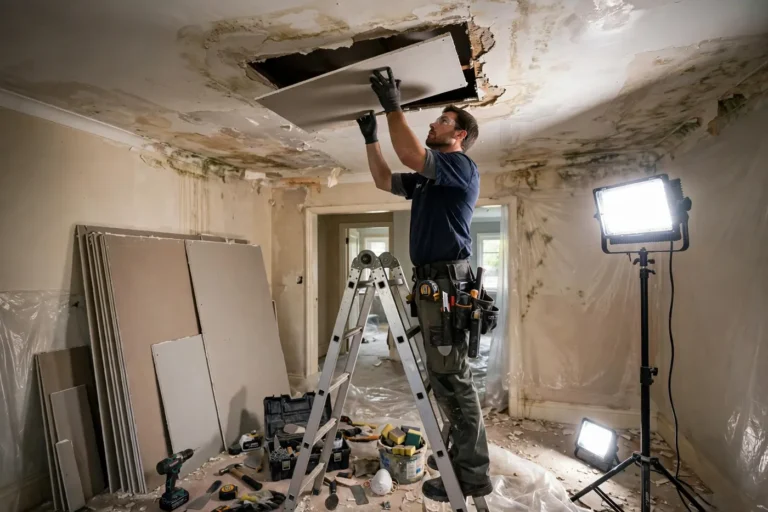
- Removal of unsalvageable materials — wet insulation, saturated drywall, and carpet pad get cut out rather than “dried in place,” because trapped moisture behind them is a mold farm waiting to happen.
What homeowners get wrong
The most common mistake: renting a carpet blower, running it for a day, and assuming the job is done. Surface drying is not structural drying. The second mistake: bleach. Bleach whitens mold on non-porous surfaces but doesn’t kill roots in porous materials — and the water in bleach can actually feed the problem. The third: painting over stains. That musty-smelling “fixed” wall will bubble and discolor within months as mold continues underneath.
Signs mold already started
Musty or earthy odors with no visible source, allergy-like symptoms (sneezing, itchy eyes) that worsen at home, discoloration in corners or along baseboards, and paint that bubbles or peels for no apparent reason. If you notice these after any water incident — even a “minor” one from months ago — get a moisture inspection. Hidden mold doesn’t improve with time.
Mold and your family’s health
Most household molds are allergens rather than poisons, but that distinction matters little if you’re the one sneezing. Common reactions include nasal congestion, itchy or watery eyes, skin irritation, and aggravated asthma — particularly in children and older adults. The musty smell of hidden mold is caused by microbial volatile organic compounds (MVOCs), and if you can smell it, you’re breathing it. This is why we treat mold prevention as a health measure, not just a property measure — and why “let’s just see if it dries out” is never the right call after significant water exposure.
DIY drying vs. professional drying: an honest comparison
A homeowner with rented equipment can dry a small, clean-water incident — a tipped-over mop bucket, say — if they act within hours and the water never reached wall cavities. But most real incidents exceed DIY capacity quickly: water under flooring, inside walls, or above ceilings is invisible to you and unreachable with consumer equipment. Professionals bring three things you can’t rent at the hardware store: commercial dehumidification capacity, penetrating moisture meters that read inside materials, and the experience to know where water hides in your specific home construction. When in doubt, at least get the inspection — knowing exactly what’s wet is worth more than guessing.
The bottom line
Mold prevention isn’t a product you buy — it’s a process you execute fast and verify with instruments. The cheapest mold remediation is the one that never has to happen: rapid extraction, real dehumidification, antimicrobial treatment, and verified dry readings. That’s our standard scope on every water damage restoration job in Greenville, Spartanburg, and Anderson.
The EPA’s comprehensive mold guide is the authoritative reference on mold health effects and cleanup principles.
Worried about mold after a leak or flood?
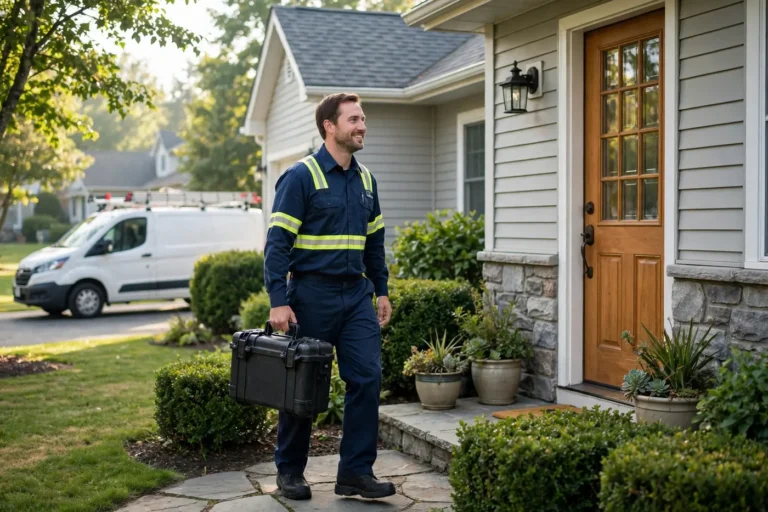
We’ll inspect with thermal imaging and moisture meters, dry it right, and treat it — before mold gets a foothold.