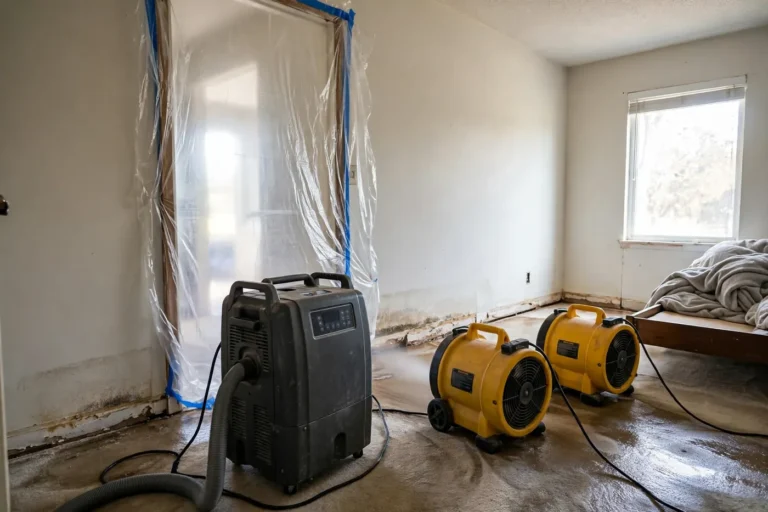
7 Signs of Hidden Water Damage in Your Home
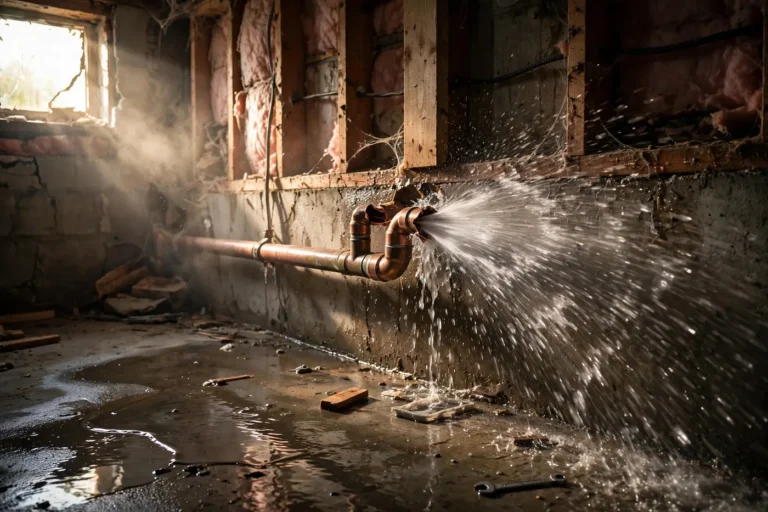
The burst pipe that floods your kitchen is dramatic — but it’s the slow, silent leak inside a wall cavity that causes the worst damage. By the time hidden water damage becomes visible, it’s often been destroying framing, feeding mold, and racking up repair costs for weeks or months. Here are the seven signs we wish every Greenville homeowner knew.
If these signs sound familiar, the next step is preventing what comes next: mold growth. A thermal inspection confirms exactly what’s wet.
1. Musty or earthy smells with no visible source
Your nose knows before your eyes do. A persistent musty odor — especially in bathrooms, basements, laundry rooms, or near exterior walls — almost always means moisture is trapped somewhere: behind drywall, under flooring, or in a crawl space. Air fresheners mask it; they don’t fix it. If a room smells damp, something is damp.
2. Discoloration and staining
Yellow-brown stains on ceilings or walls are the classic calling card — but don’t dismiss faint discoloration either. Water stains often start as barely-visible yellowing that darkens over weeks. Stains that grow, change shape after rain, or appear below bathrooms and kitchens deserve immediate attention. Our ceiling water damage guide covers what those stains are telling you.
3. Peeling, bubbling, or cracking paint and wallpaper
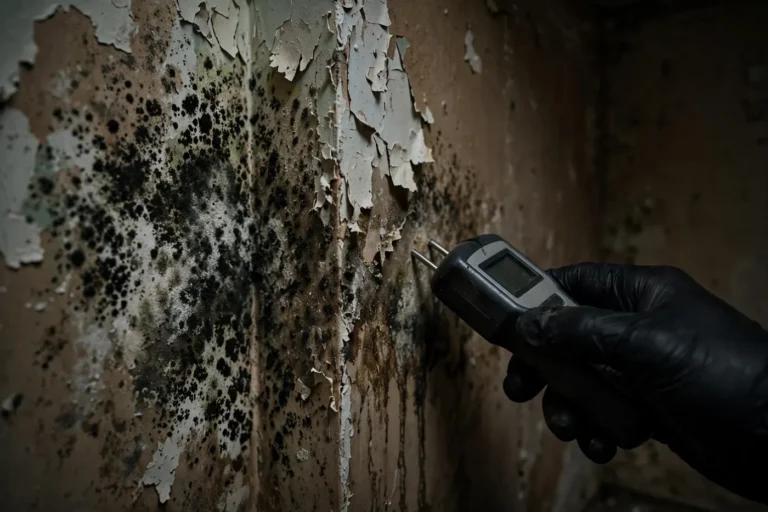
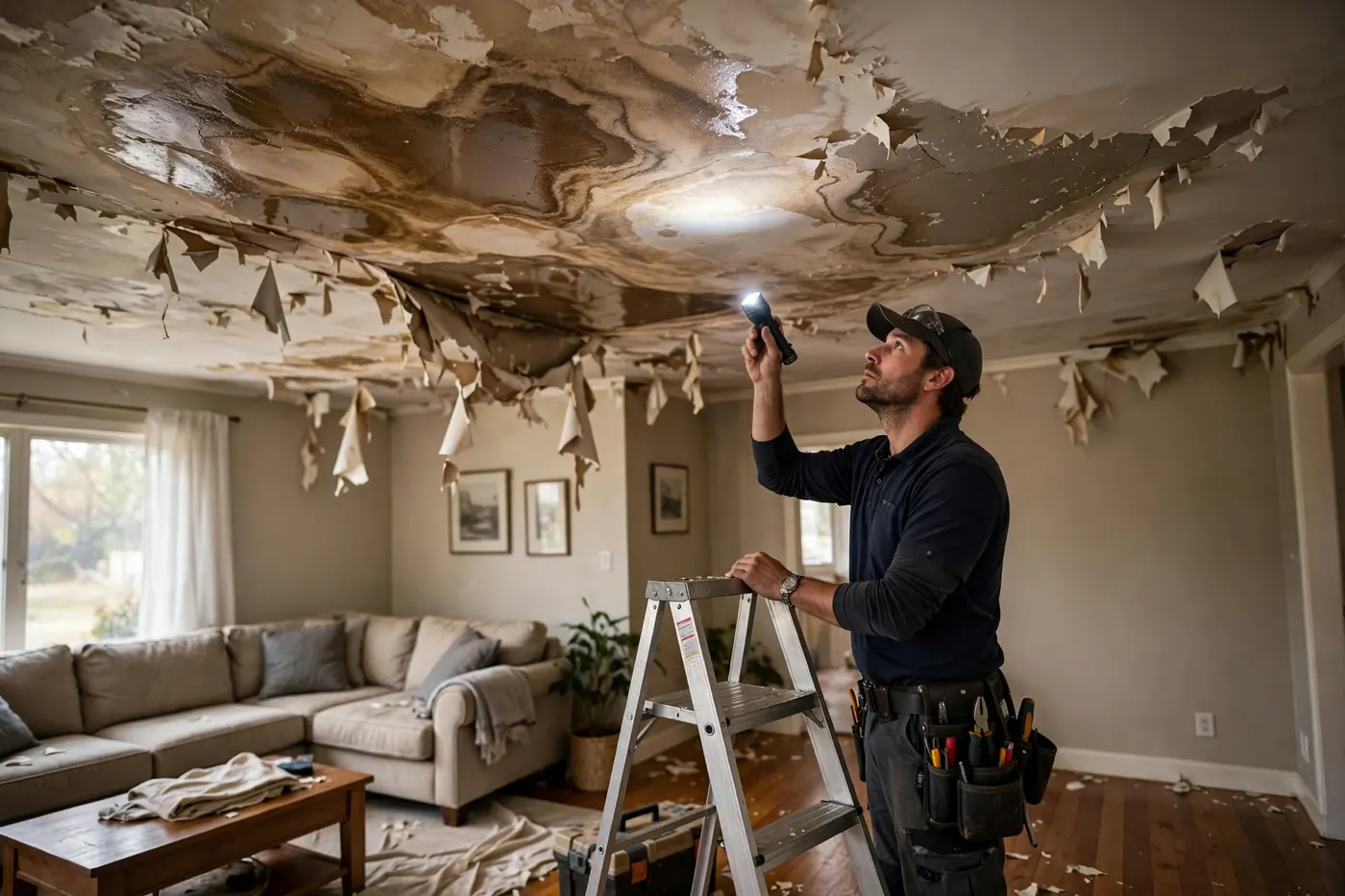
Paint doesn’t fail for no reason. When moisture pushes through drywall from behind, paint loses adhesion — bubbling, peeling, or cracking, sometimes in sheets. Wallpaper seams lifting in a bathroom aren’t “just humidity”; they’re often the first visible sign of a plumbing leak inside the wall.
4. Warped, buckled, or spongy flooring
Hardwood that cups or crowns, laminate that bubbles at the seams, tile with loosening grout, or any floor that feels spongy underfoot — all point to moisture underneath. In Upstate homes with crawl spaces, this frequently traces back to groundwater moisture or plumbing leaks below the subfloor, not spills on top.
5. A water bill that climbs for no reason
This is the most underrated early warning system you own. A sudden or gradual increase in your water bill with no change in usage means water is going somewhere it shouldn’t. A toilet flapper leak can waste 200 gallons a day silently; a slab or wall leak can run for months before showing a single stain.
6. Sounds you shouldn’t hear
Running water when nothing is on. Dripping inside walls after fixtures are off. Hissing near pipes. Your plumbing should be silent when idle — any water sound in a quiet house is worth investigating, not ignoring.
7. Health symptoms that improve away from home
Persistent sneezing, itchy eyes, headaches, or respiratory irritation that eases when you leave the house and returns when you’re back — classic pattern of hidden mold from concealed moisture. Don’t just treat symptoms; find the source.
Where hidden damage loves to hide in Upstate homes
Based on hundreds of Greenville-area jobs: under dishwashers and refrigerators with ice makers (slow supply-line leaks), behind washing machines, inside bathroom walls around shower valves, beneath water heaters (check the pan — most are rusted through), in crawl spaces after heavy Upstate rains, and around AC condensate lines in attics during summer. Annual checks of these spots take twenty minutes and prevent five-figure surprises.
How professionals find what you can’t see
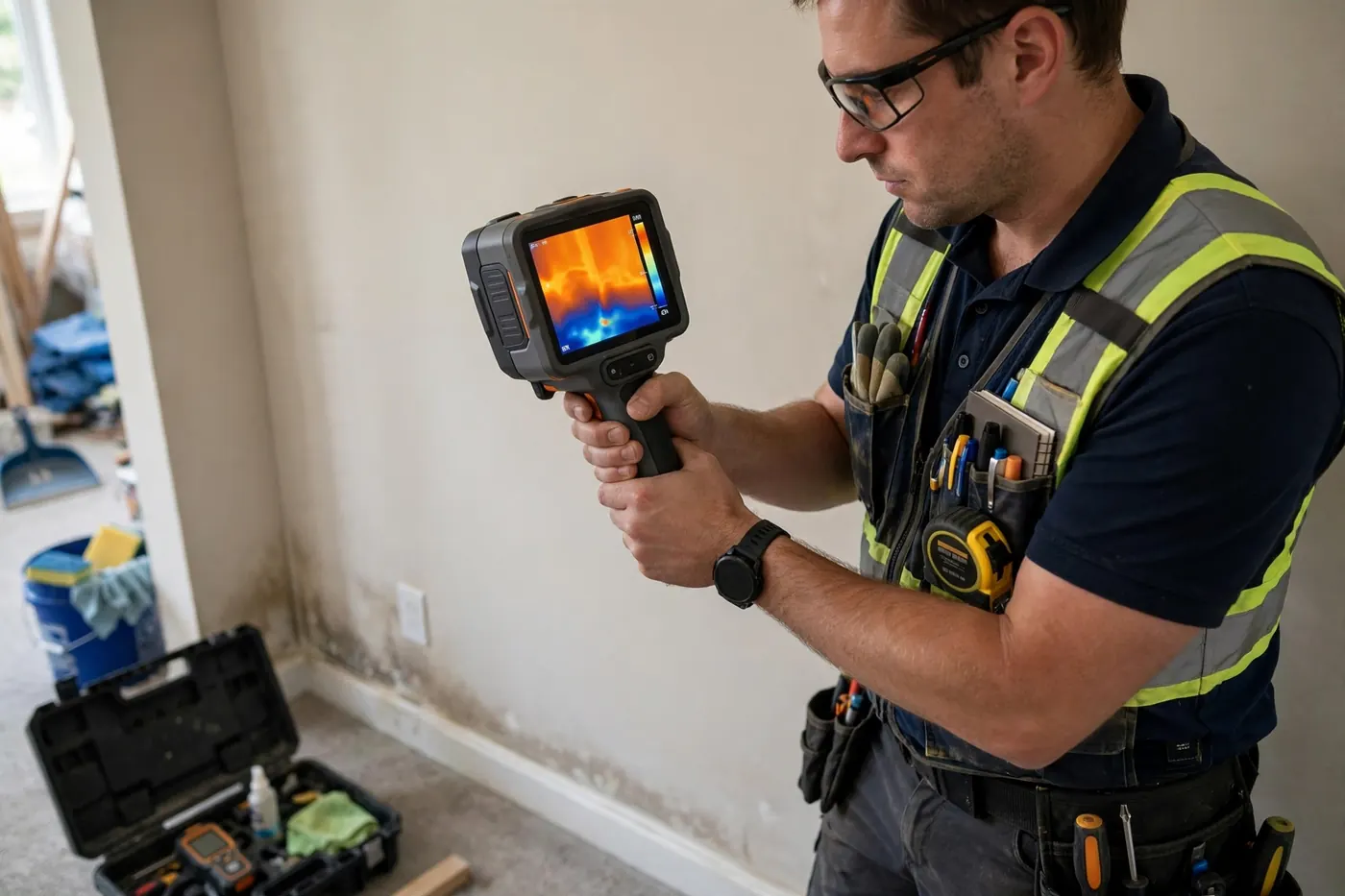
When we investigate suspected hidden damage, we don’t start cutting holes — we start with instruments. Thermal imaging cameras reveal temperature differences: wet insulation and drywall cool differently than dry materials, showing up as distinct patterns even through paint. Pin and pinless moisture meters then quantify exactly how wet a material is, mapped room by room. Only after mapping do we open anything — small, strategic inspection holes rather than exploratory demolition. This approach finds the full extent of damage (including the parts you’d never have guessed) while keeping repair costs minimal. It’s the difference between replacing one wall section and discovering — mid-renovation — that the damage extends three rooms over.
What to do when you spot a sign
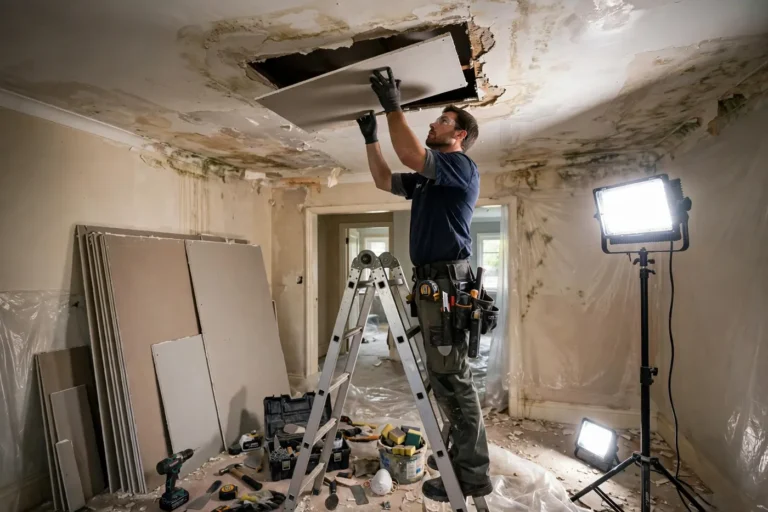
Don’t start tearing out drywall yourself — you’ll spread mold spores and destroy the evidence your insurance adjuster needs. Instead: document with photos, note when you first noticed it, and schedule a professional moisture inspection. We use thermal imaging cameras and penetrating moisture meters to map exactly what’s wet behind your walls — no guesswork, no unnecessary demolition.
If you find mold behind those walls, the EPA’s mold cleanup guidance explains when DIY is enough and when to call professionals.
Suspect hidden water damage?
Our inspection finds what your eyes can’t — thermal imaging, moisture mapping, and honest answers. Serving Greenville, Spartanburg & Anderson.