
Basement Water Damage Restoration in Greenville, SC
Flooded basement in Greenville? We pump it out, dry it deep — walls, floors, crawl spaces — prevent mold, and fix it so it doesn’t happen again.
Basement Water Damage Restoration in Greenville, SC
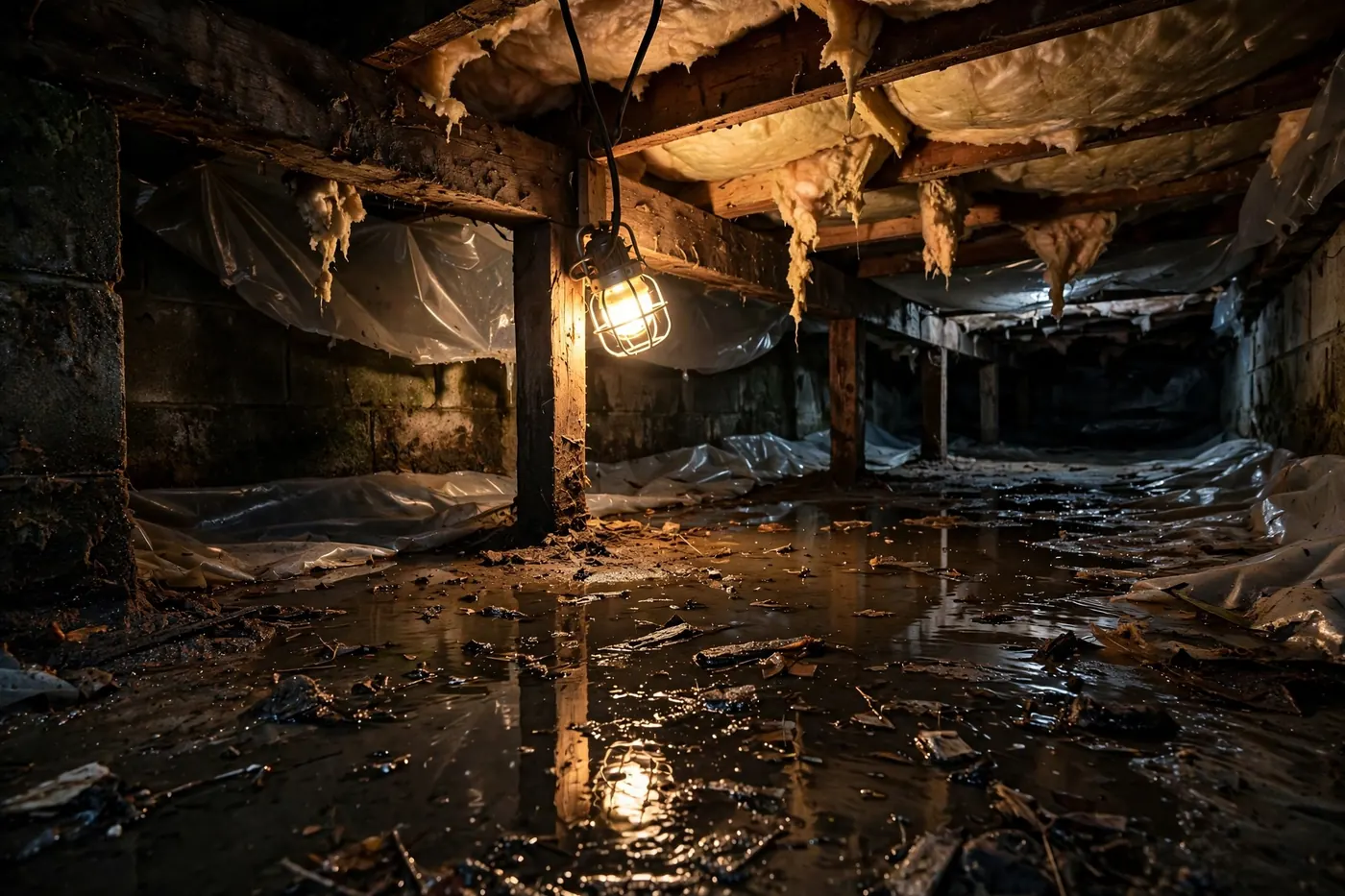
Basement water damage in Greenville, SC is practically a seasonal tradition. Our summer downpours overwhelm grading and gutters, hydrostatic pressure pushes groundwater through foundation walls and floor joints, sump pumps fail at the worst moment, and washing machines and water heaters — which live in Upstate basements — let go without warning. If your basement floods every heavy rain, you’re not unlucky; you’re dealing with physics, and it needs a real solution, not another wet-vac weekend.
Here’s what most homeowners don’t realize about flooded basement cleanup in Greenville: the water you see is the easy part. The real damage is what wicks into the bottom of drywall, saturates the sill plate, pools under flooring, and soaks into the crawl space or the wall cavities. We’ve opened up enough ‘dried’ basements to know — the ones dried with box fans and hope grow mold inside the walls within weeks.
Our basement restoration process is built for how Upstate basements actually fail. Industrial extraction first, then targeted demolition only where needed (usually the bottom foot or two of drywall — the flood cut), then commercial dehumidification sized for below-grade spaces, with daily moisture readings until everything verifies dry. And because we see the same causes repeatedly, we’ll tell you straight what’s letting water in — grading, gutters, sump, foundation cracks — so you can fix the cause, not just the symptom.
Basement water usually comes from storms, groundwater, or failed sump pumps — our flood damage cleanup team handles the complete job. Start with a moisture inspection to find every affected area, including wall cavities.
Signs Your Basement Has a Water Problem
White chalky residue (efflorescence) means water is migrating through your foundation walls — it’s been happening a while.
Below-grade mustiness is mold or bacteria feeding on moisture. Dehumidifiers mask it; finding and fixing the water source ends it.
Rust at the base of basement appliances means they’ve been sitting in water — even occasionally. Check after every heavy rain.
Water pushing up through the slab lifts coatings from below. It’s hydrostatic pressure telling you something.
A pump that never stops is fighting real groundwater; one that’s silent during rain may have failed. Both deserve attention before the next storm.
What’s Included in Basement Restoration
- Emergency pumping with high-capacity submersible and truck-mounted equipment
- Moisture mapping of walls, floors, and sill plates with professional meters
- Flood-cut drywall removal where needed — targeted, not wholesale demolition
- Carpet and pad removal and disposal (pad can’t be saved after flooding)
- Commercial dehumidification sized for below-grade spaces
- Crawl space drying and treatment when it’s part of the problem
- Antimicrobial application on all affected framing and concrete
- Sump pump evaluation — we’ll tell you honestly if yours is undersized or failing
- Full rebuild: drywall, flooring, trim, paint — plus honest prevention advice
Cost of Basement Water Damage
What Affects the Cost?
Basement water damage restoration in Greenville, SC commonly runs $2,000–$6,000 for a typical single-event cleanup and dry-out, more when finished basements need full reconstruction. The honest variable is always the same: how much material got wet, and how long it sat.
- Finished vs. unfinished — a concrete utility basement dries cheap; a finished basement with drywall, carpet, and furniture multiplies the scope
- Water source — clean supply-line water vs. groundwater seepage vs. sewage backup (very different protocols)
- Square footage — partial vs. whole-basement involvement
- Crawl space condition — wet crawl spaces add significant drying time
- Response speed — same-day response often saves flooring and drywall that a week’s delay condemns
How We Restore Flooded Basements
Pump Out
High-capacity pumps remove standing water fast — from inches of seepage to feet of flooding. We also check the sump pit and discharge while we’re there.
Open & Assess
Moisture meters map exactly what’s wet. Flood cuts remove only the unsalvageable drywall so wall cavities can actually dry.
Dry Deep
Commercial dehumidifiers and air movers run for days with daily readings — walls, slab, sill plate, and crawl space all verified.
Rebuild & Prevent
New drywall, flooring, and finishes — plus a straight assessment of the grading, gutter, or sump fix that stops the next flood.
Insurance Claims, Simplified
Sudden basement flooding from burst pipes or appliance failures is typically covered. Groundwater seepage and ‘rising water’ usually are NOT under standard homeowners policies — that’s the flood-insurance question. Storm-driven water entering through a damaged window or door may be covered. We document the water’s source and entry path precisely, because that determination makes or breaks the claim.
Basement flooding from groundwater or storms usually isn’t covered by standard policies — see FEMA’s flood insurance resources to understand the gap.
How to Prevent It Next Time
- Extend downspouts at least 6 feet from the foundation — the #1 fix we recommend
- Regrade soil around the foundation so water flows away, not toward
- Install a battery-backup sump pump — storms knock out power exactly when you need the pump most
- Seal foundation cracks with proper hydraulic cement or epoxy injection, not surface caulk
FAQs About Basement Water Damage
My basement floods every heavy rain. Can you actually fix that, or just clean it up?
Both. We handle the immediate cleanup and restoration, and we’ll diagnose the entry path — grading, gutters, sump, foundation — and tell you exactly what prevention work will stop it recurring. Cleaning the same basement twice is in nobody’s interest.
Can the carpet be saved?
The carpet face can sometimes be dried and cleaned, but the pad underneath almost never — it absorbs contaminants and stays wet. We replace pad as standard practice; it’s inexpensive compared to the mold risk.
How long does basement drying take?
Typically 3–5 days of active dehumidification with daily monitoring. Below-grade spaces dry slower than upstairs rooms — concrete and cool temperatures work against you, which is why commercial equipment matters.
Is the water in my basement dangerous?
Groundwater seepage is generally Category 2 (gray) — not sewage, but not clean either. If there’s any chance of sewage cross-contamination (floor drains backing up), treat it as black water and call us immediately.
My sump pump failed during the storm. Do you replace those?
We evaluate your sump setup as part of every basement job and give you an honest read — properly sized, battery backup or not, discharge routed correctly. We focus on restoration; for pump replacement we’ll point you to what to ask a plumber for.
Will insurance cover my flooded basement?
It depends entirely on the water source. Burst pipe or appliance failure: usually yes. Groundwater seepage or rising water: usually no under standard policies. We document the source carefully so your adjuster can make the right call.
There’s mold on my basement walls now. Is that part of this?
Yes — mold remediation is a standard part of our basement jobs when we find it. We contain it, remove affected materials, treat, and verify. Ignoring it just lets it spread into the framing.
Proudly Serving the Upstate
Greenville Spartanburg Anderson Greer Mauldin Simpsonville Fountain Inn Easley Travelers Rest Pickens
Covering 20+ ZIP codes across Greenville, Spartanburg & Anderson counties.
Basement flooding again? Let’s end the cycle.
Every hour of standing water means more damage — and more cost. Call now and we dispatch immediately.