
Sewage Backup Cleanup in Greenville, SC
Raw sewage in your home is a health emergency. Our Greenville crews contain it, extract it, sanitize everything, and restore — safely, discreetly, 24/7.
Sewage Backup Cleanup in Greenville, SC — Safe, Thorough, Discreet
Let’s be direct: sewage backup cleanup in Greenville, SC is not a mop-and-bleach situation, and it’s not something any homeowner should attempt. Black water from a sewer backup or septic failure carries E. coli, hepatitis, parasites, and other pathogens. Proper Greenville sewage cleanup means full containment, professional extraction with protective equipment, removal of contaminated porous materials, EPA-registered disinfection, and structural drying — performed by people trained to do it without spreading contamination through your home.
Sewer backups in the Upstate usually happen one of three ways: heavy rain overwhelms the municipal system and pushes back through floor drains, tree roots invade aging clay or cast-iron sewer laterals (extremely common in Greenville’s older neighborhoods), or a septic system fails from age or lack of pumping. Whichever caused yours, the response is the same — and it needs to start immediately, because every hour lets contamination wick further into your home.
We handle sewage jobs with the seriousness they deserve and the discretion you’d want. Our crews arrive in full protective gear, set containment barriers so nothing migrates to clean areas of your home, and work efficiently to get your home safe again. Then we document everything for your insurance — sewage claims have specific requirements, and we know exactly what adjusters need to see.
Sewage backup can’t wait — our 24/7 emergency crews are equipped for contaminated water. The process mirrors our flood damage cleanup: extract, sanitize, dry, verify, restore.
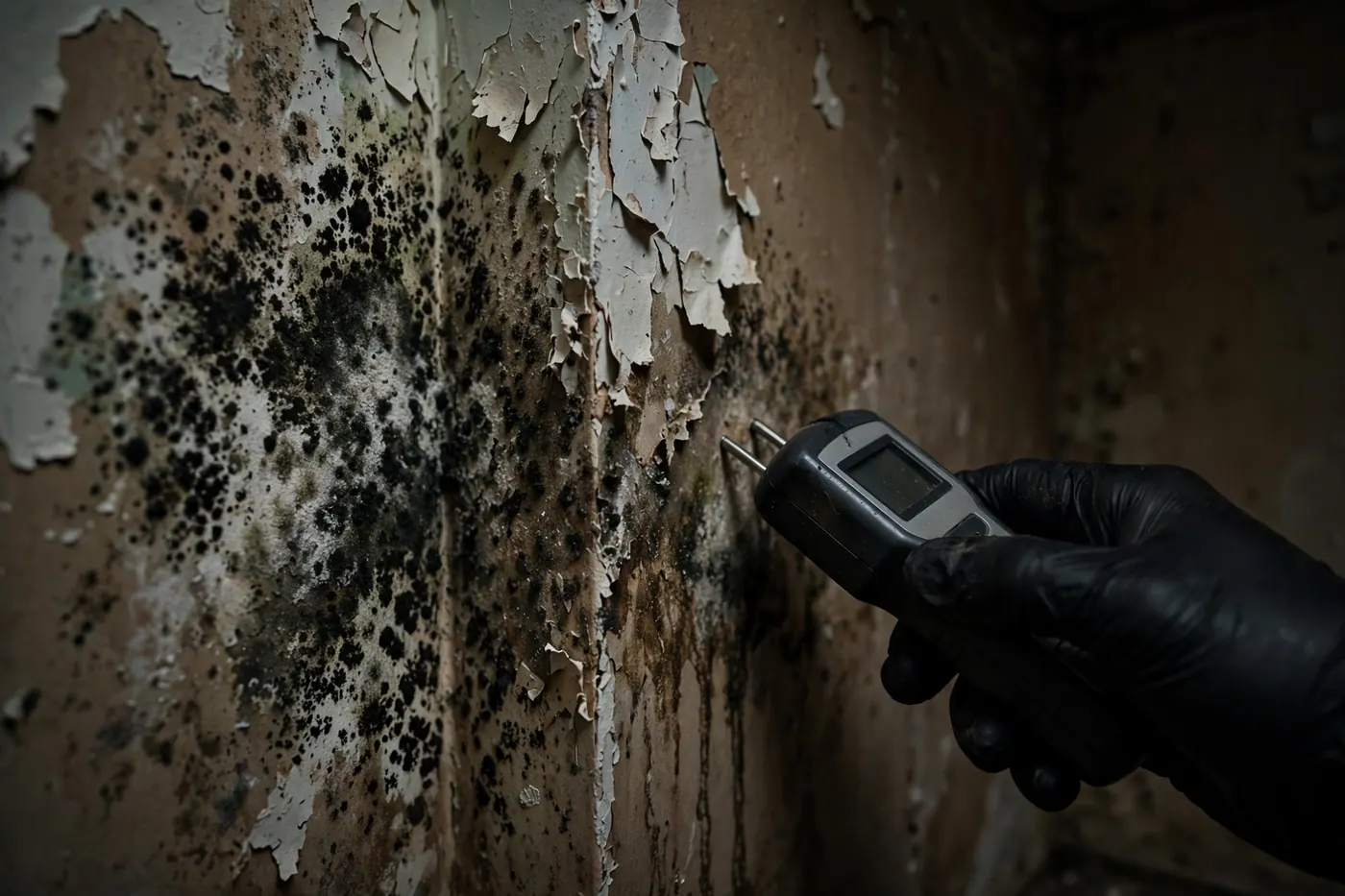
Signs of a Sewage Backup (Act Immediately)
That rotten-egg or sewage smell — especially from floor drains or the basement — often precedes a visible backup by hours. Don’t ignore it.
Air being forced back through your plumbing when you flush or run water means a blockage downstream. The backup is building pressure behind it.
The classic tell: fixtures at the lowest point fill when upper fixtures drain. The main line is obstructed.
If it’s not clear water, treat it as sewage until proven otherwise. Keep everyone — especially kids and pets — away from it.
A failed lateral can surface outside first. That suspiciously green strip of grass may be telling you something.
What’s Included in Sewage Backup Cleanup
- 24/7 emergency response — sewage jumps the queue, any hour
- Full containment barriers to protect unaffected areas of your home
- Extraction by technicians in complete protective equipment
- Removal and lawful disposal of all contaminated porous materials
- EPA-registered disinfection of all affected surfaces, framing, and concrete
- Deodorization — not masking; actual source removal and treatment
- Structural drying with commercial equipment and moisture verification
- Complete rebuild of removed drywall, flooring, and finishes
- Detailed documentation formatted for sewage insurance claims
Our Sewage Cleanup Protocol
Contain
Barriers go up first. Negative air pressure keeps contaminants from migrating. Clean areas of your home stay clean — that’s the priority.
Extract & Remove
Standing sewage extracted by protected technicians. Everything porous it touched — pad, carpet, drywall, insulation — is removed and disposed of. No exceptions; you can’t sanitize a sponge.
Disinfect & Dry
EPA-registered disinfectants on all remaining surfaces, then commercial drying with daily moisture verification.
Rebuild
New materials installed, finished and painted. Your home returned safe — with documentation proving the work was done right.
Cost of Sewage Backup Cleanup
What Affects the Cost?
Sewage backup cleanup in Greenville, SC typically runs $2,500–$7,000 for a contained basement event, climbing higher when finished living space is affected. The protective protocols, disposal requirements, and disinfection are non-negotiable costs — beware any bid that treats it like ordinary water damage.
- Extent of contamination — one floor drain vs. multiple rooms of finished space
- Porous material volume — carpet, pad, drywall, and insulation all require removal and replacement
- HVAC involvement — if contamination reached ductwork, it needs professional cleaning too
- Source repair — clearing roots or repairing the failed lateral is a separate (but essential) job
- Contents cleaning — salvageable belongings need specialized decontamination
Insurance Claims, Simplified
Sewer backup coverage is usually NOT automatic on homeowners policies — it typically requires a specific water/sewer backup endorsement, often just $5,000–$10,000 of coverage. Check your policy now, before you need it. When the coverage exists, we document to its requirements: source, category, affected materials with photos, and our full protocol — which is what gets claims paid.
Sewage exposure carries real health risks — the EPA’s guidance on moisture and mold is essential reading after any contamination event.
How to Prevent It Next Time
- Get a sewer lateral camera inspection if your home is older or has large trees near the line
- Install a backwater valve — it lets sewage out but not back in during system surges
- Never flush wipes (even ‘flushable’ ones), grease, or feminine products
- Pump septic systems every 3–5 years — most failures we see are just neglected tanks
FAQs About Sewage Backup Cleanup
Is sewage backup really dangerous, or is that just marketing?
It’s genuinely dangerous. Sewer water carries bacteria, viruses, and parasites that cause serious illness. Professional cleanup isn’t upselling — it’s the only safe way to handle Category 3 black water in a home.
Can you save my carpet after a sewage backup?
Honestly? No — and you shouldn’t want us to. Carpet and pad are porous; contamination goes all the way through. They get removed and replaced. Hard flooring and framing can be disinfected and saved.
How do I know if my insurance covers this?
Look for a ‘water backup’ or ‘sewer backup’ endorsement on your policy — it’s usually a separate add-on, not part of standard coverage. We can help you understand what documentation your adjuster will need.
Will my house smell like sewage forever?
No — when done right. The smell comes from contamination left in porous materials. Because we remove those materials and disinfect the rest (not just spray air freshener), the odor goes with the source.
What caused my backup?
The three usual suspects in Greenville: municipal system overwhelmed by heavy rain, tree roots in aging sewer laterals, or septic failure. We’ll help you identify which — and the fix is different for each.
How fast can you get here?
Sewage calls get top priority, 24/7 — typically 60–90 minutes anywhere in our service area. Until we arrive: keep everyone away from the water and don’t run any plumbing.
Do I need to replace my sewer line after a backup?
Not always — sometimes it’s a one-time blockage or a municipal surge. But if roots or a collapsed section caused it, yes, or it’ll happen again. We recommend a camera inspection to know for sure.
Proudly Serving the Upstate
Greenville Spartanburg Anderson Greer Mauldin Simpsonville Fountain Inn Easley Travelers Rest Pickens
Covering 20+ ZIP codes across Greenville, Spartanburg & Anderson counties.
Sewage backup? Don’t touch it — call us.
Every hour of standing water means more damage — and more cost. Call now and we dispatch immediately.